The vision for

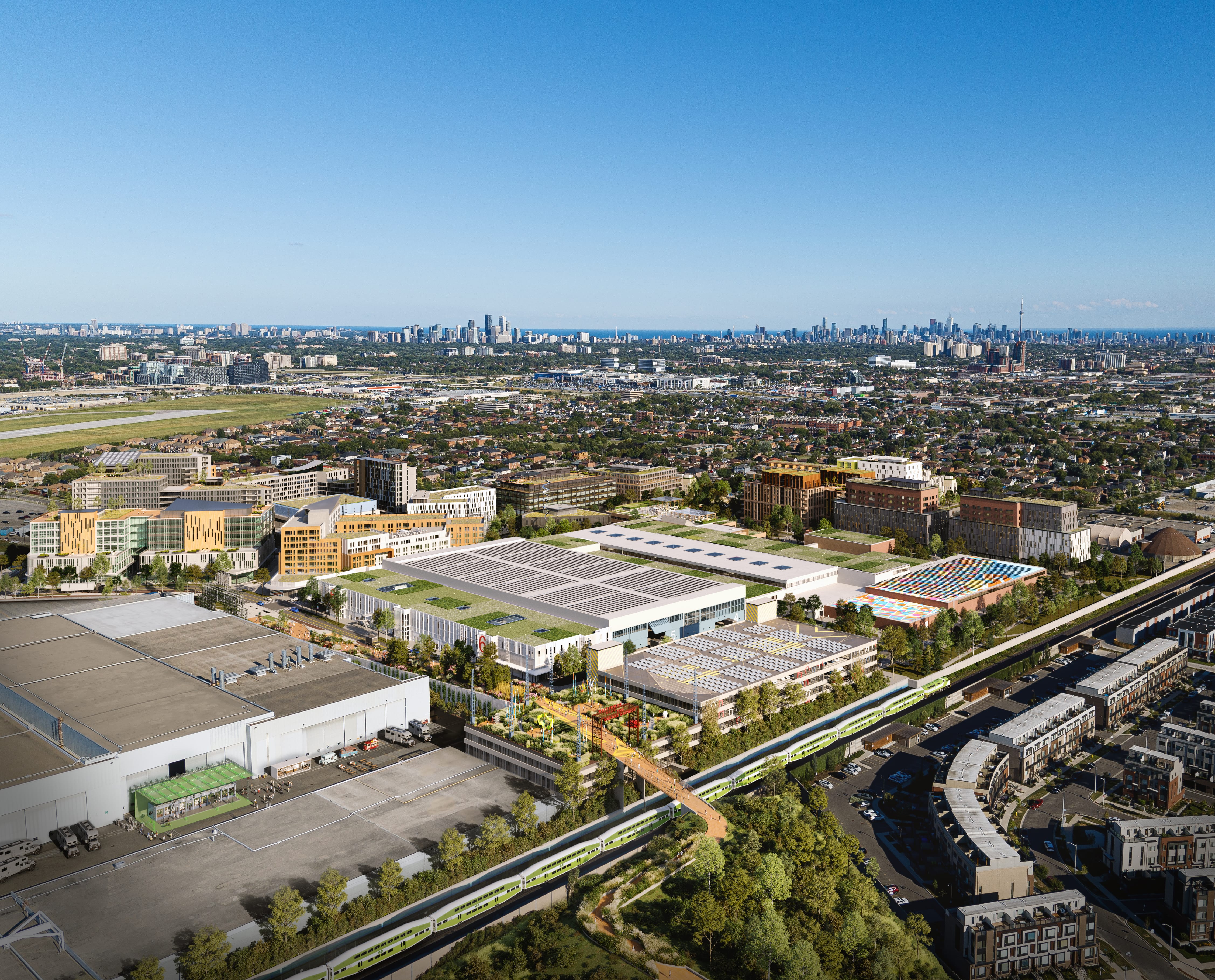
The vision and plan for The Hangar District is
comprised of five complementary themes.
Together, these ambitions seek to transform
The Hangar District into a vibrant and
resilient employment-focused community
with a strong emphasis on sustainability,
equity, innovation and future-forward jobs.

Touch to learn more about the different
components of The Hangar District
 Instructions
Jobs &
Opportunities
Overview
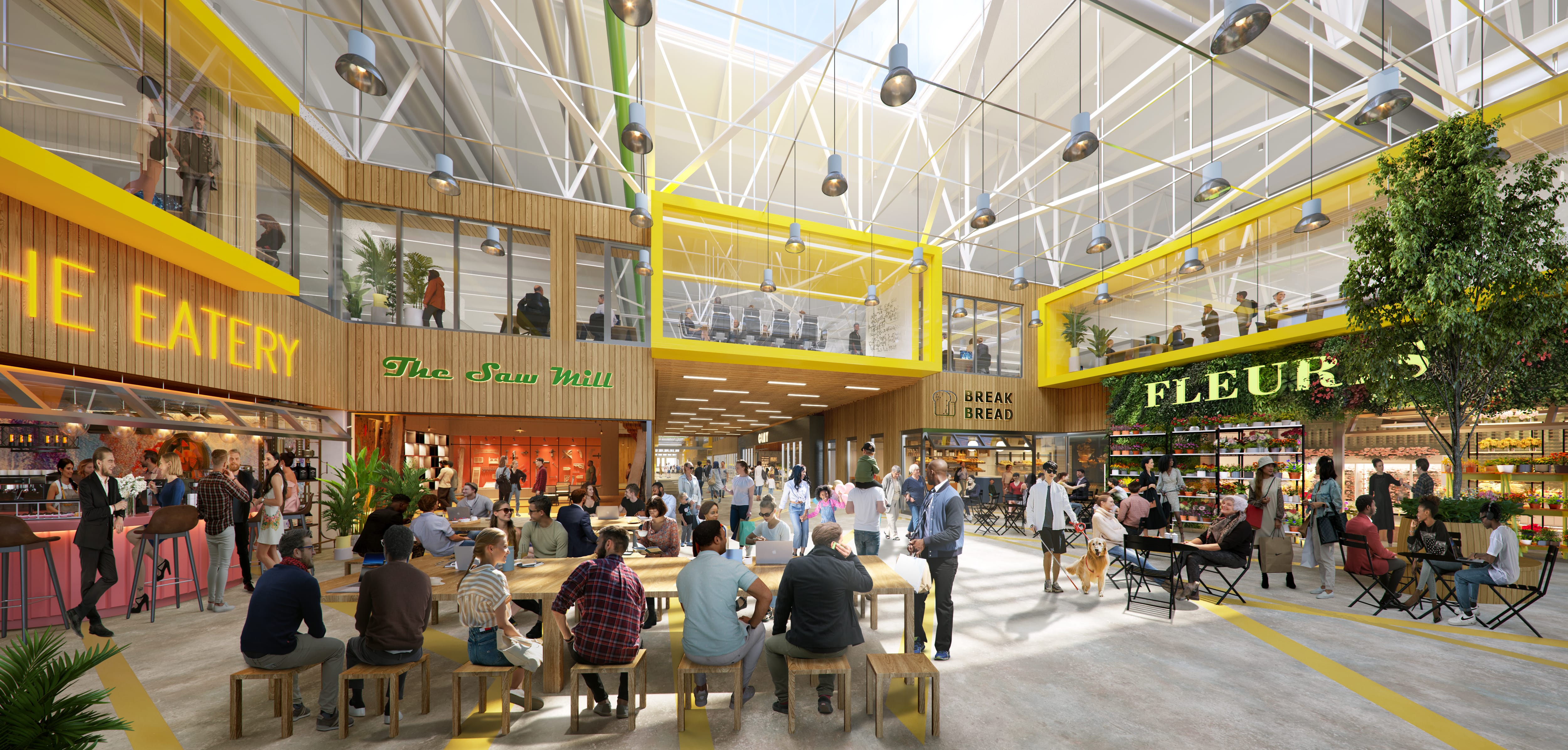
The Hangar District provides a unique opportunity to bring together a variety of employment uses in one place, from large-scale advanced manufacturing tenants to commercial office space for start-ups and local organizations. Collectively, The Hangar District will create thousands of new jobs and will contribute to Toronto’s economic competitiveness.
Jobs &
Opportunities
Touch map to learn more about some
of the special places in this district
Repurposing the
Hangars into an
Employment Hub
Adaptive reuse of nearly one million square feet of existing hangar buildings to support a new generation of employment uses including life sciences, technology, digital media, advanced manufacturing and more.

New Office,
Institutions
and Retail Uses
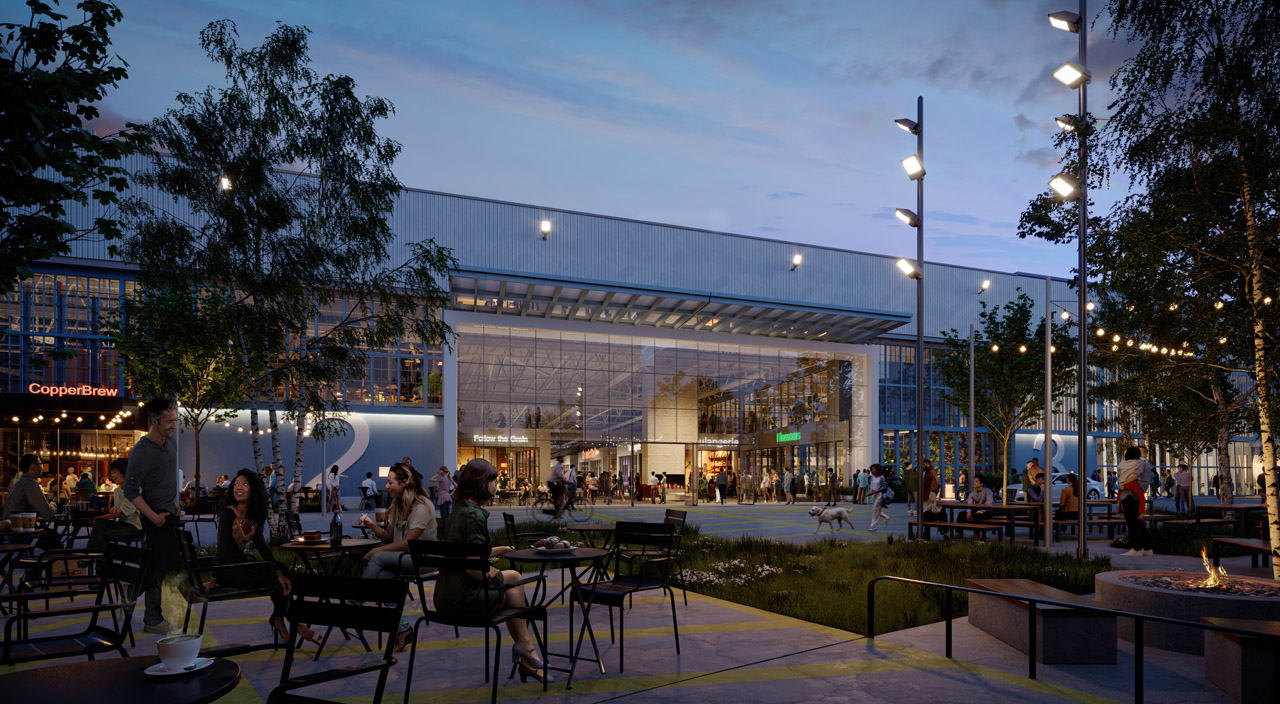
Over 700,000 square feet of new office, institutional, commercial, community, and hospitality uses. The mix of uses will support a dynamic working culture bringing wide-ranging employment opportunity into the heart of this community.
Support Diverse
Employers and Jobs
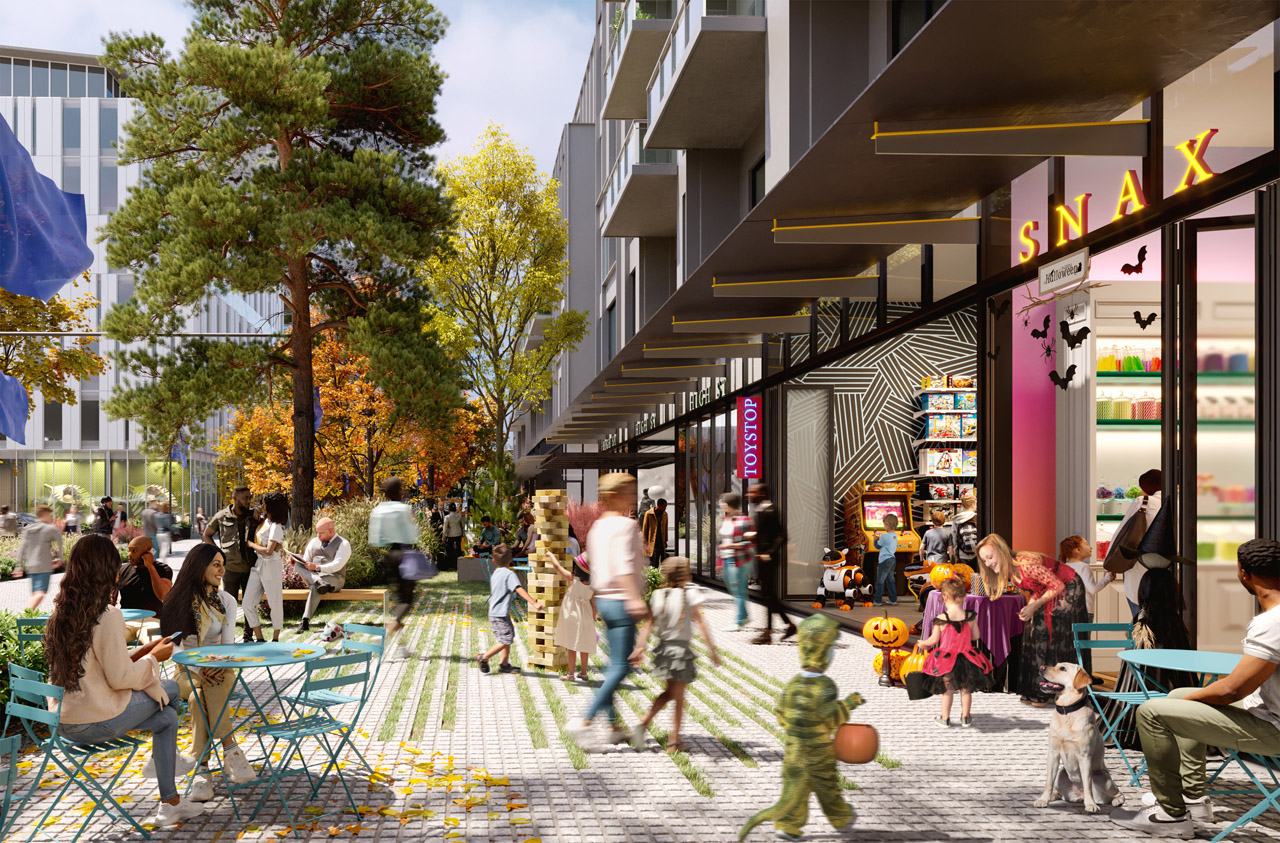
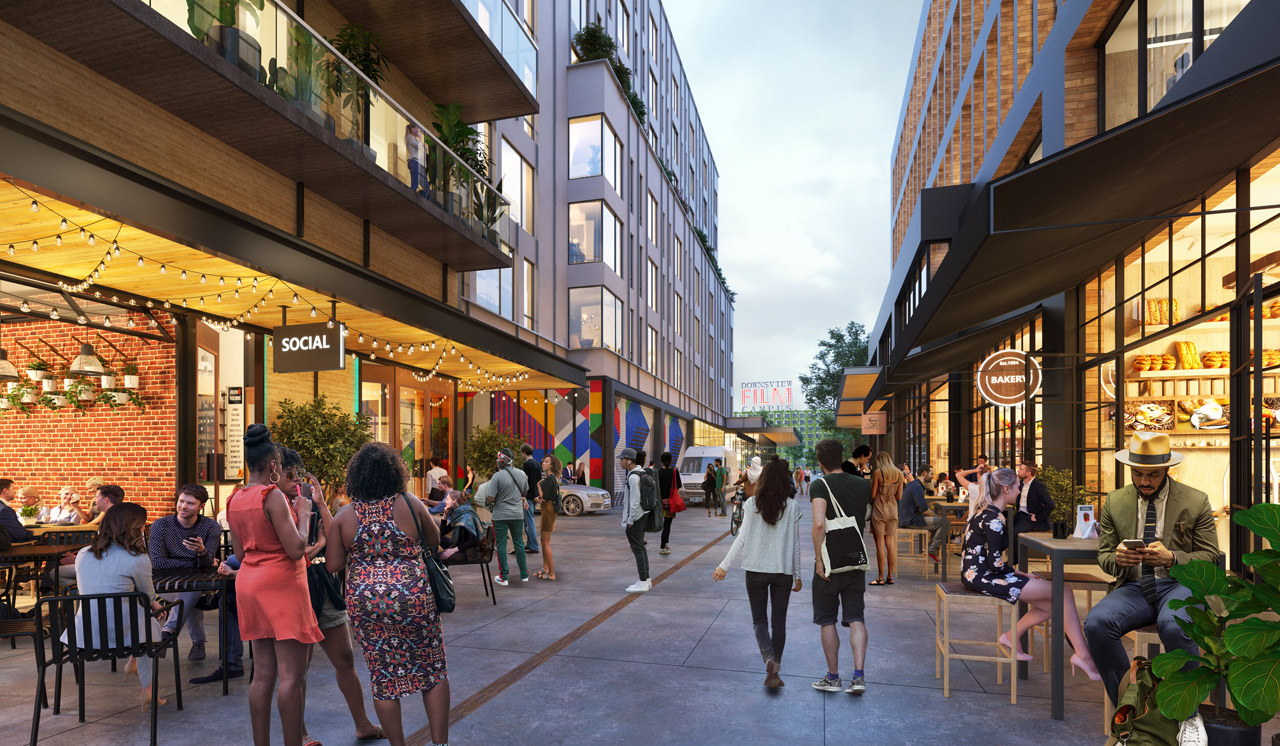
Northcrest is collaborating with local community organizations to create workforce development programs policies that will prioritize local and social enterprises.
Vibrant
Public
Spaces &
Culture
Overview
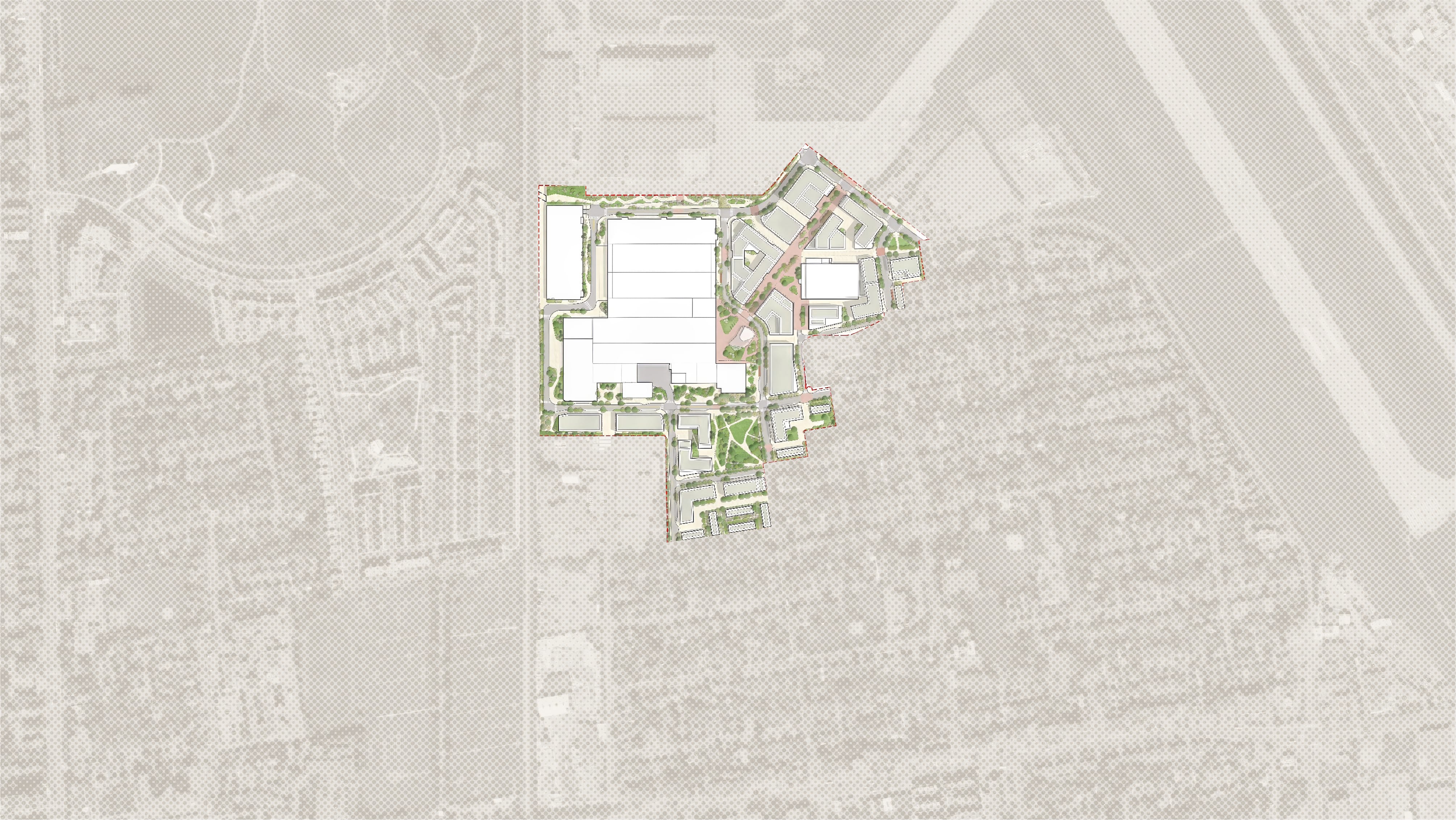
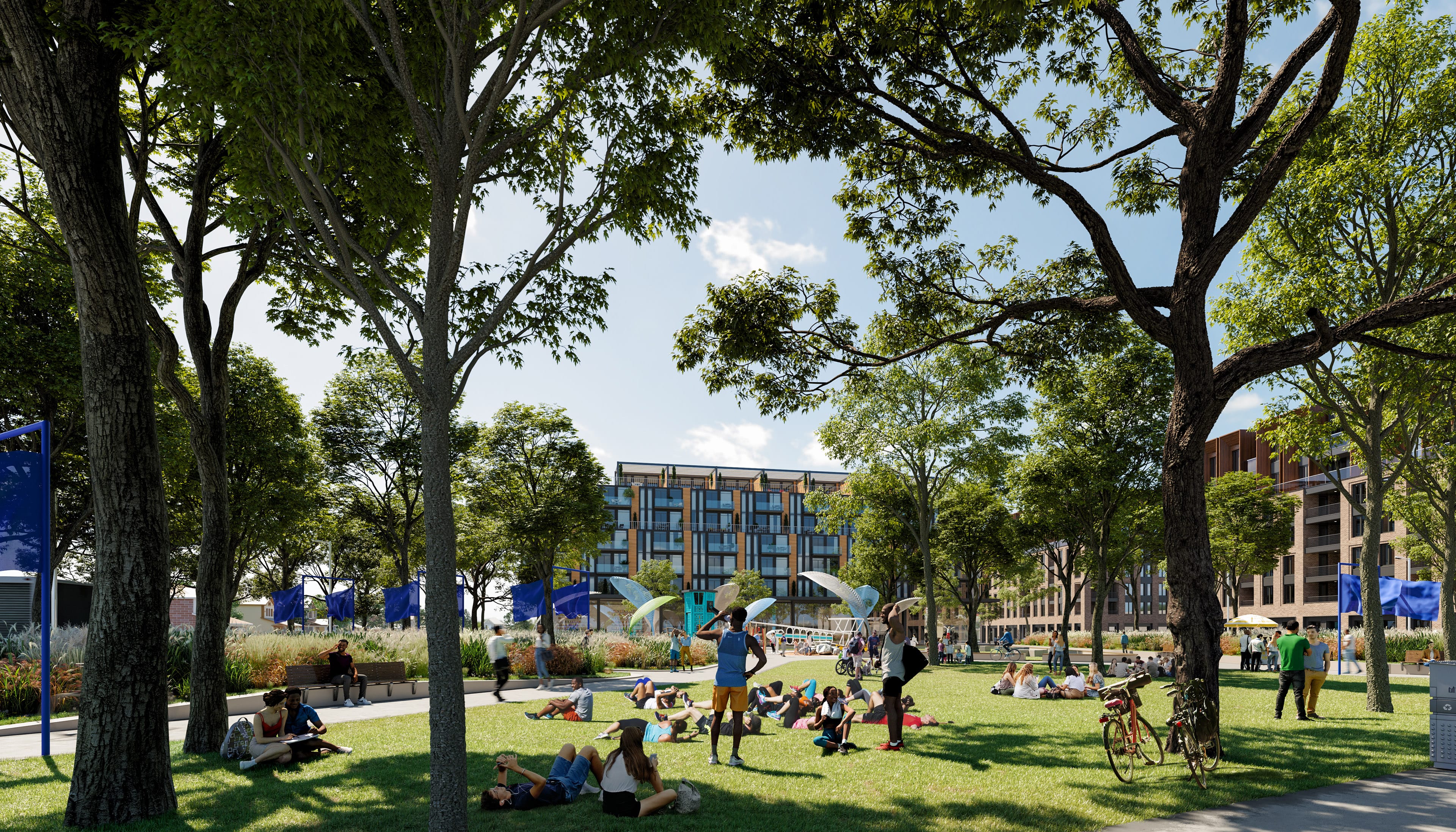
The Hangar District includes over six acres of interconnected parks and open spaces. It will provide a variety of recreation and community amenities, including space for nature, art, indigenous placekeeping and cultural programming. All will be designed to reflect the needs of our diverse community.
Vibrant
Public
Spaces &
Culture
Touch map to learn more about some
of the special places in this district

The Plaza
Garratt Blvd Park
The Atrium
Downsview Park Bridge
Central Square
Public Art,
Placemaking &
Place Keeping
The Taxiway Street
The Plaza
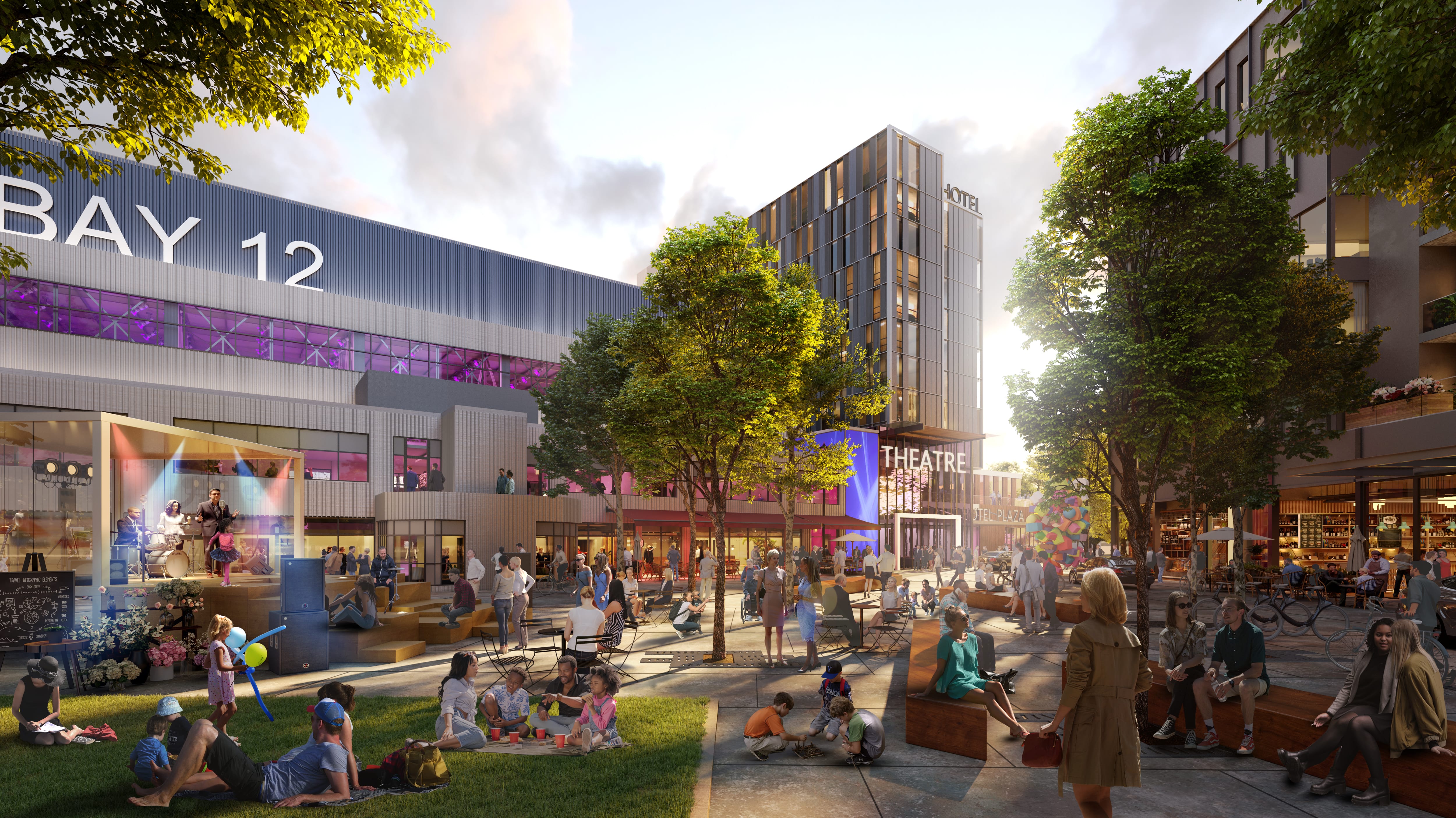
Framed by the cultural and entertainment activities in Bay 12 on one side and the Taxiway Street on another, the Plaza is a place to gather for festivals and enjoy lively cultural events.

Garratt Blvd Park
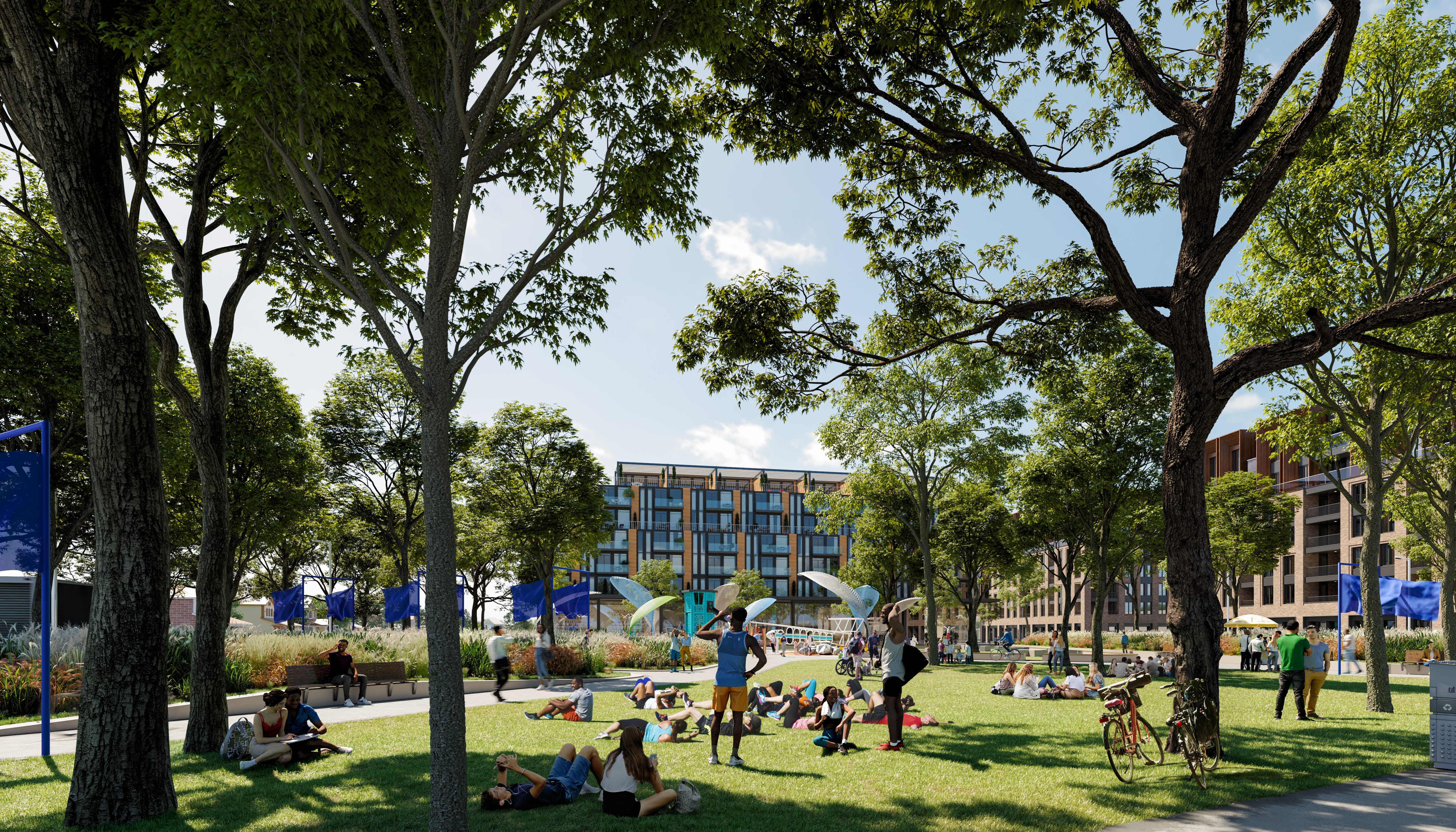
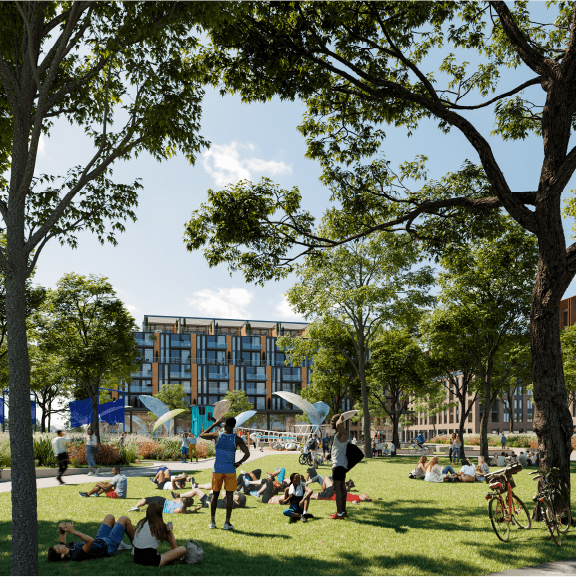
A local neighbourhood park with playgrounds, open fields, and greenery that will bring families and people of all ages and abilities together to relax, play, and enjoy. The park will also play a vital role in managing stormwater through green infrastructure.

The Atrium
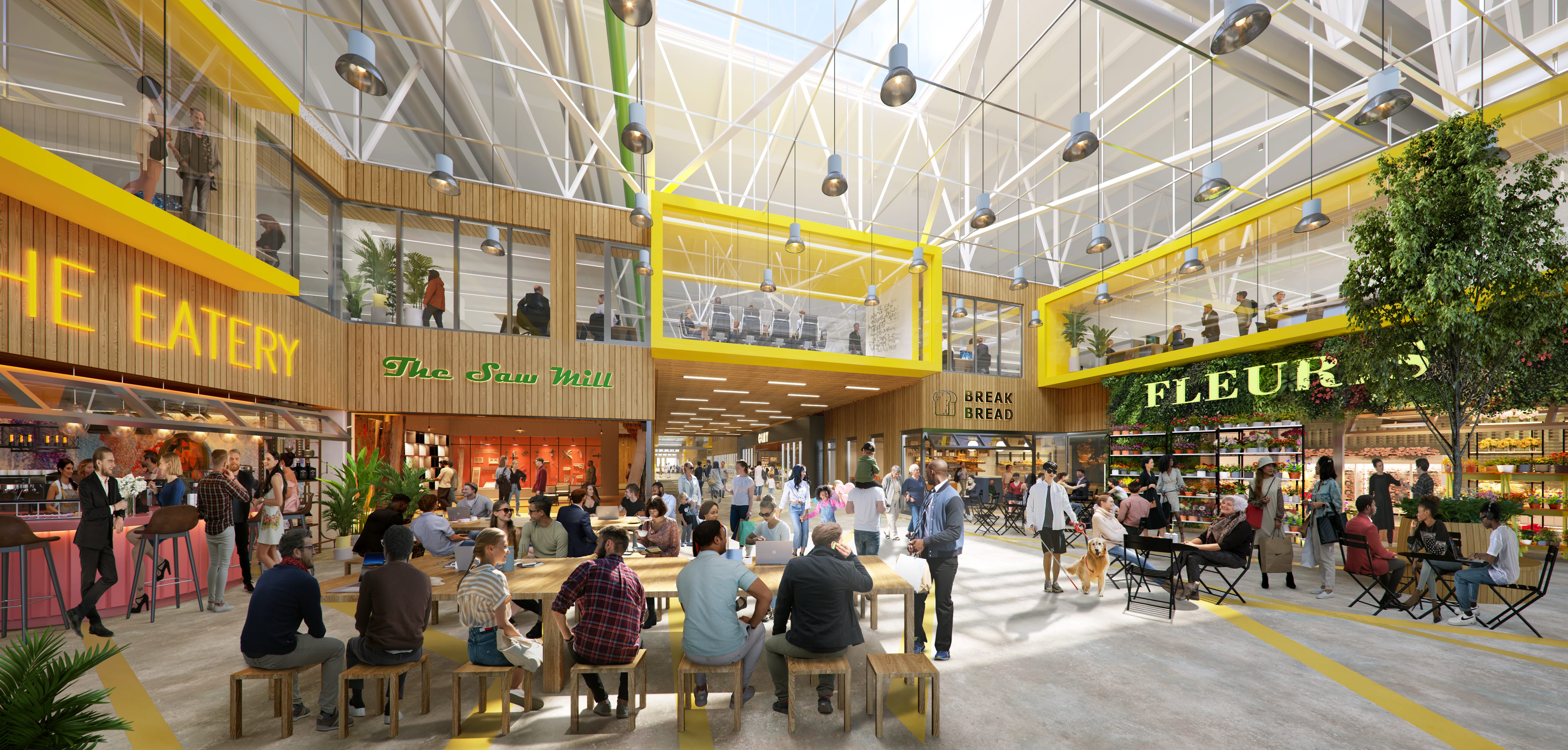
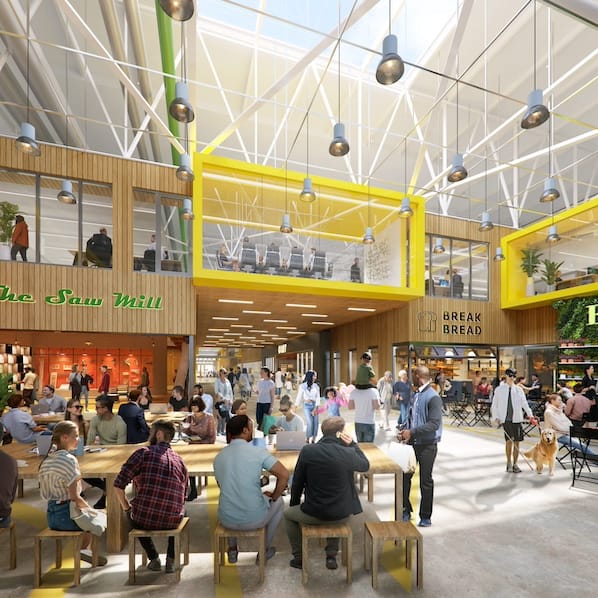
The Atrium is a weather-protected, publicly accessible marketplace inside the hangars. The vision is to create a mix of uses and spaces, bringing life to the hangars year round and providing a new retail destination for the community.

Downsview Park Bridge
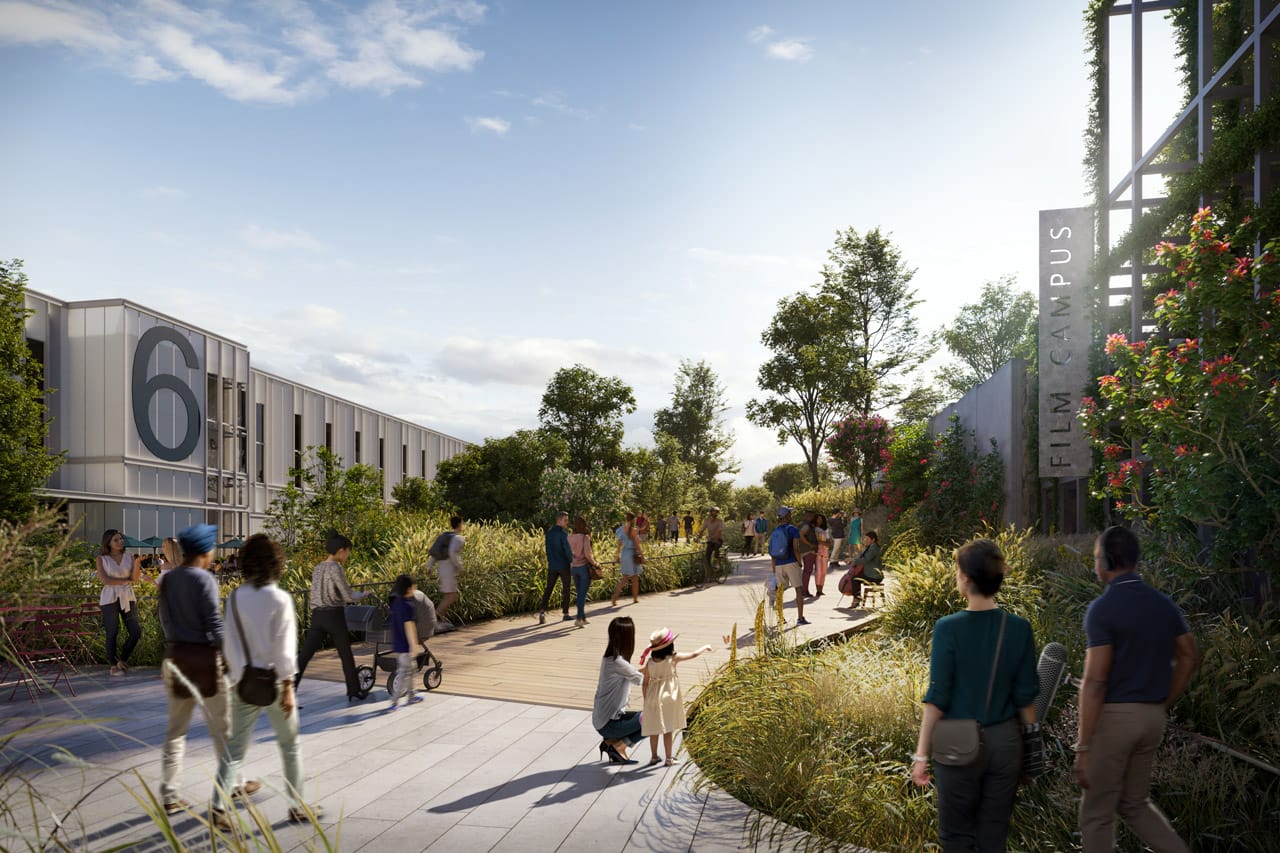
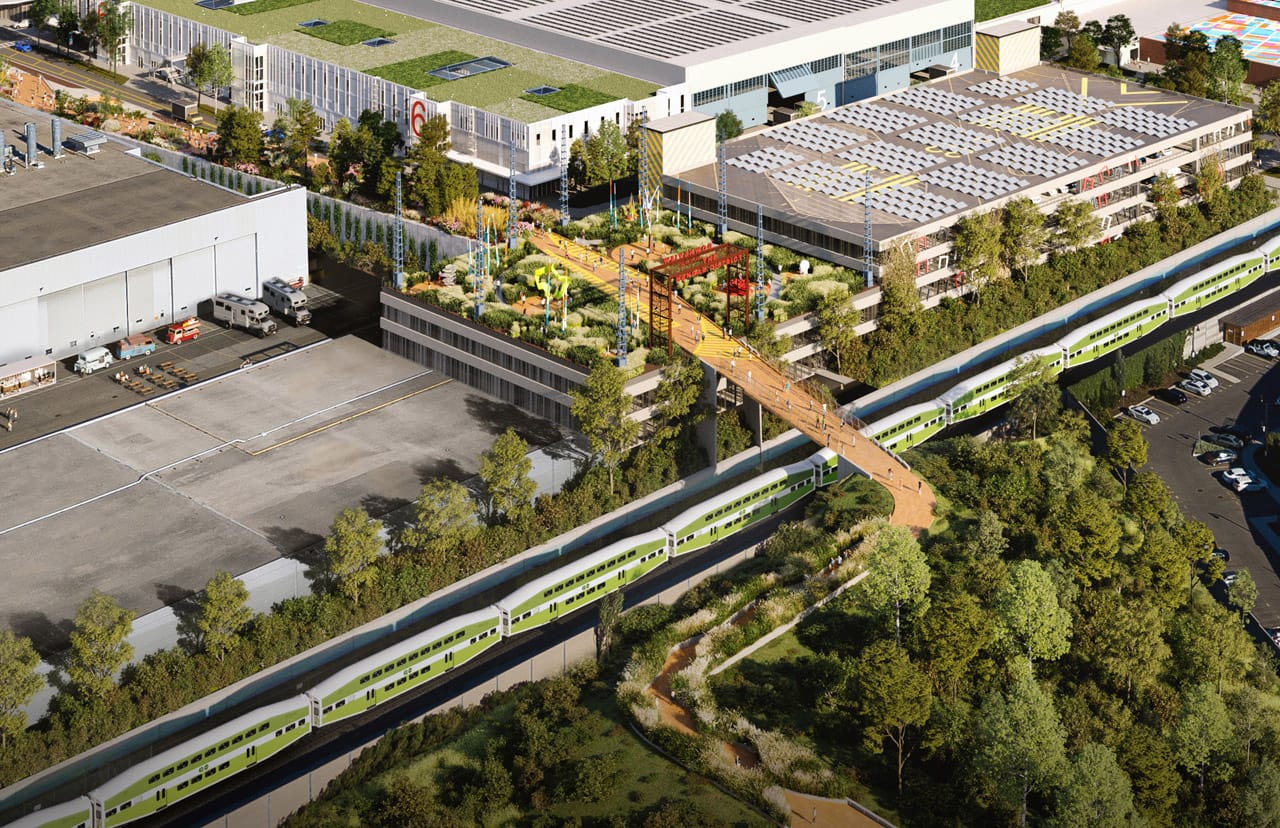
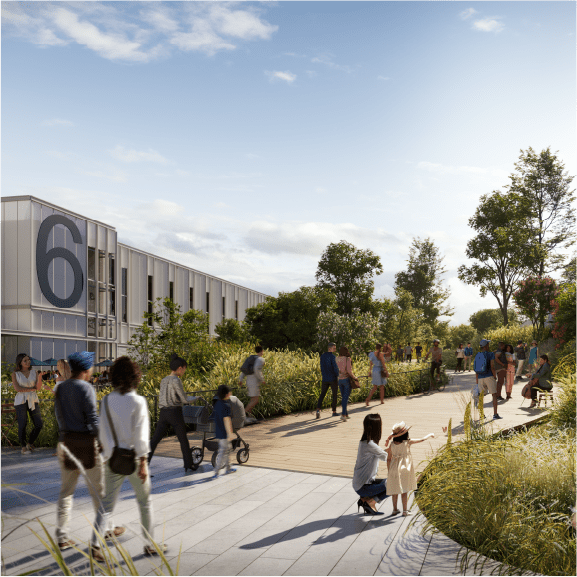
A new pedestrian and cycling bridge over the rail corridor to connect The Hangar District to Downsview Park. The Downsview Park Bridge features a green, densely vegetated multi-use path for people to enjoy and take in the scenic views, while connecting with nature and enjoying periodic programming.

Central Square
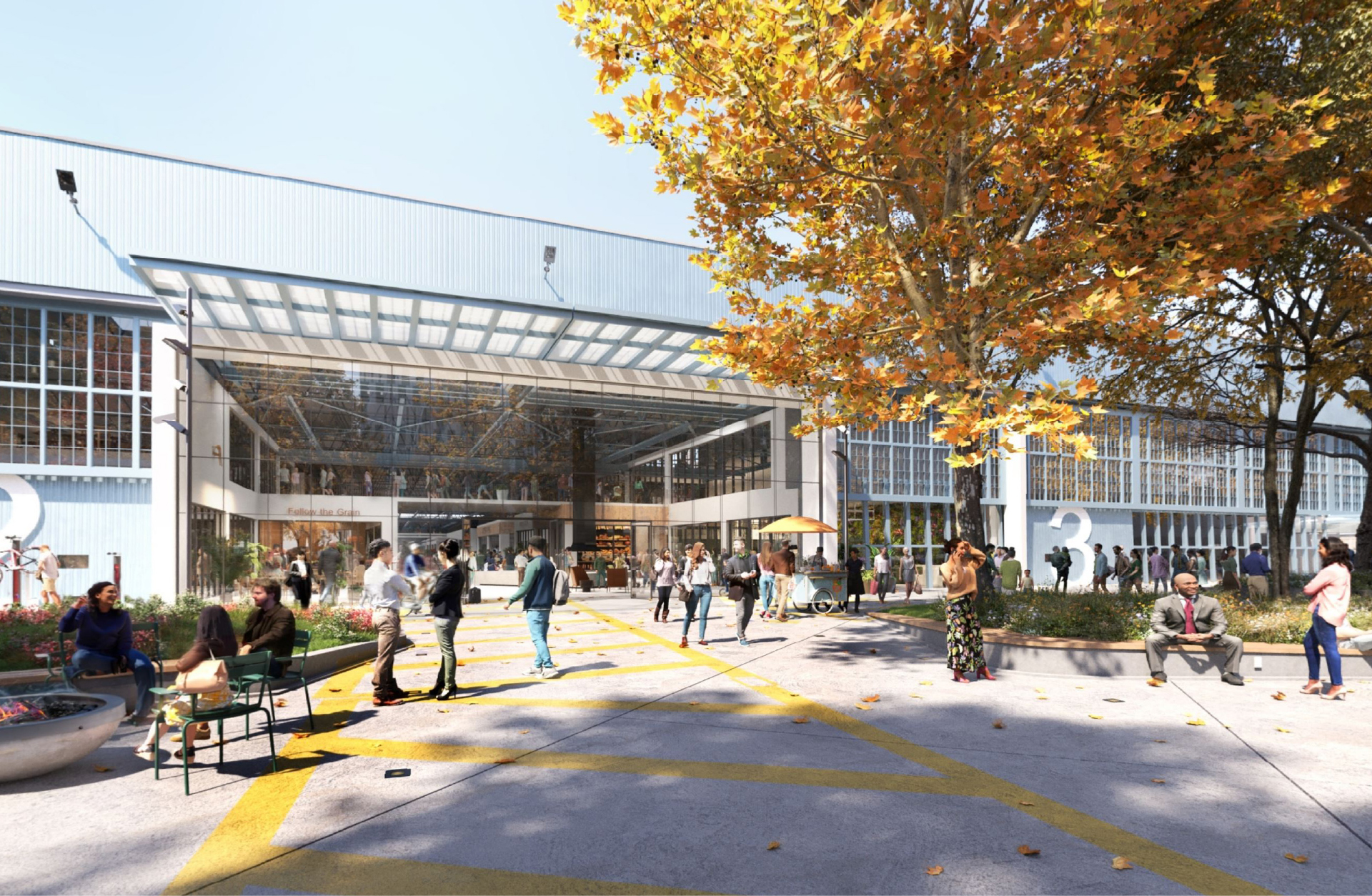
Located in the heart of the District, where The Taxiway Street meets the iconic hangars, Central Square will become the central gathering place for people to meet, connect, and enjoy all the food, beverage and retail offerings of the District.

Public Art, Placemaking and Place Keeping
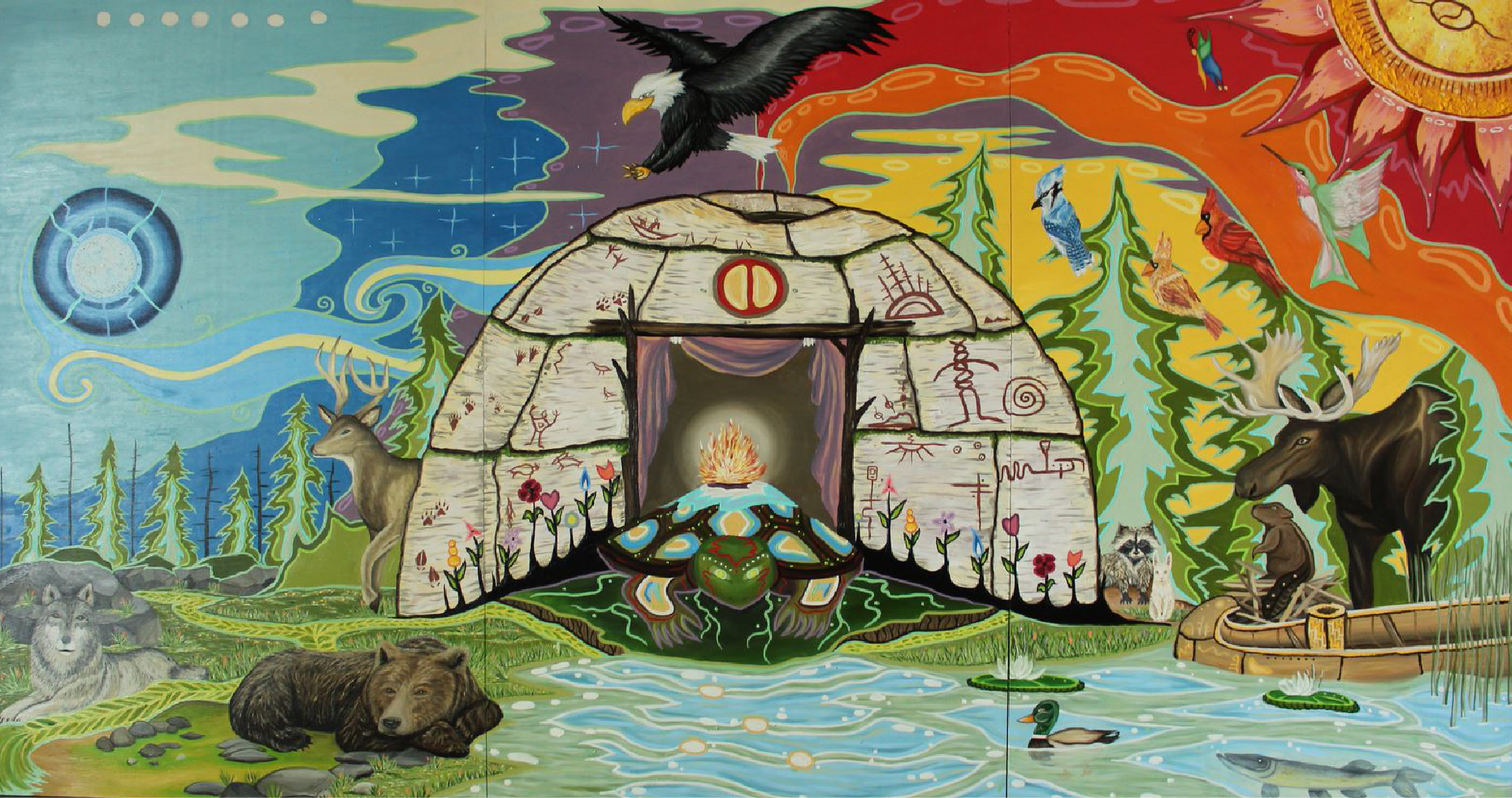
The District will foster arts, cultural programming, inclusive placemaking and indigenous placekeeping to inspire a greater sense of belonging in in all public spaces.
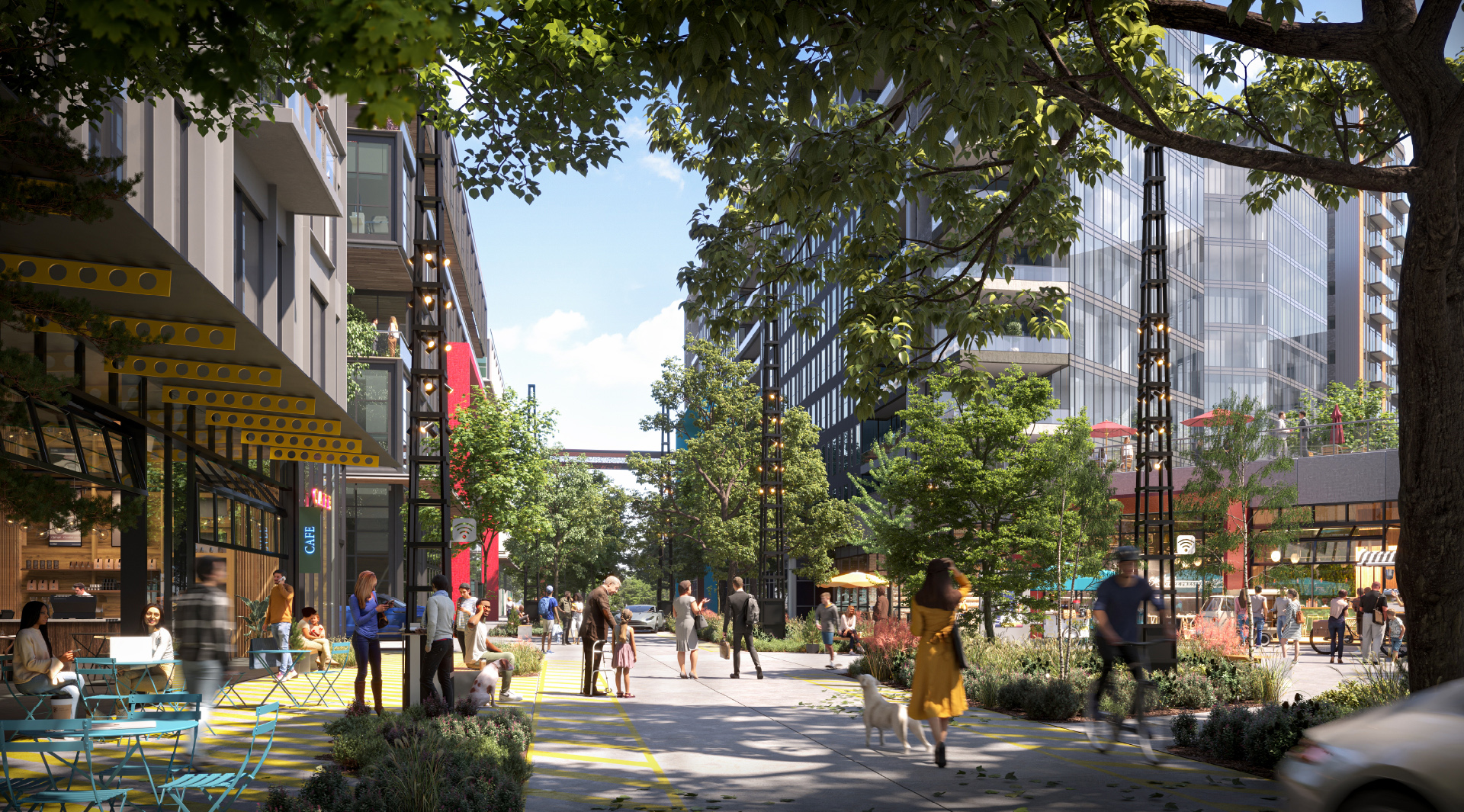
The Taxiway Street
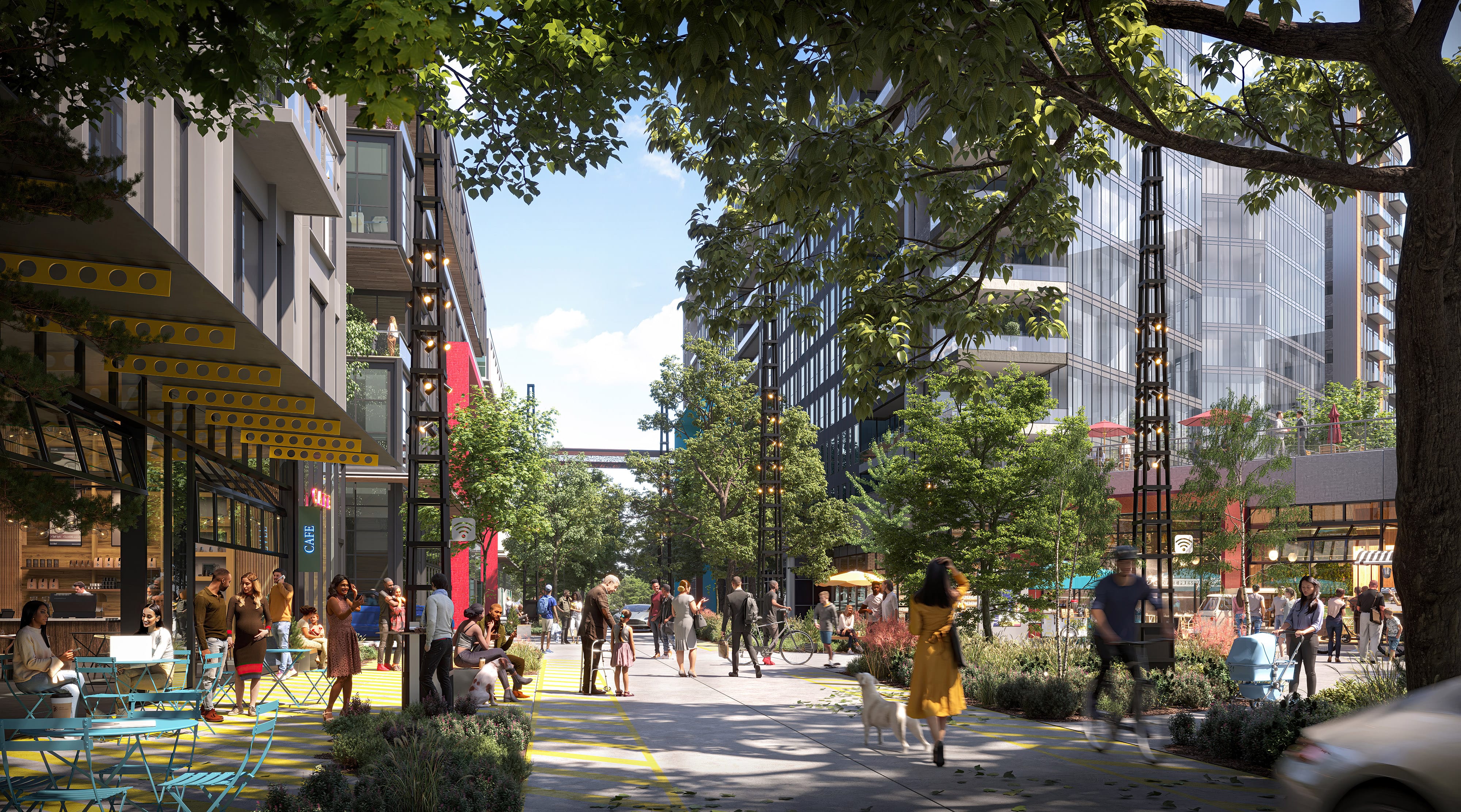
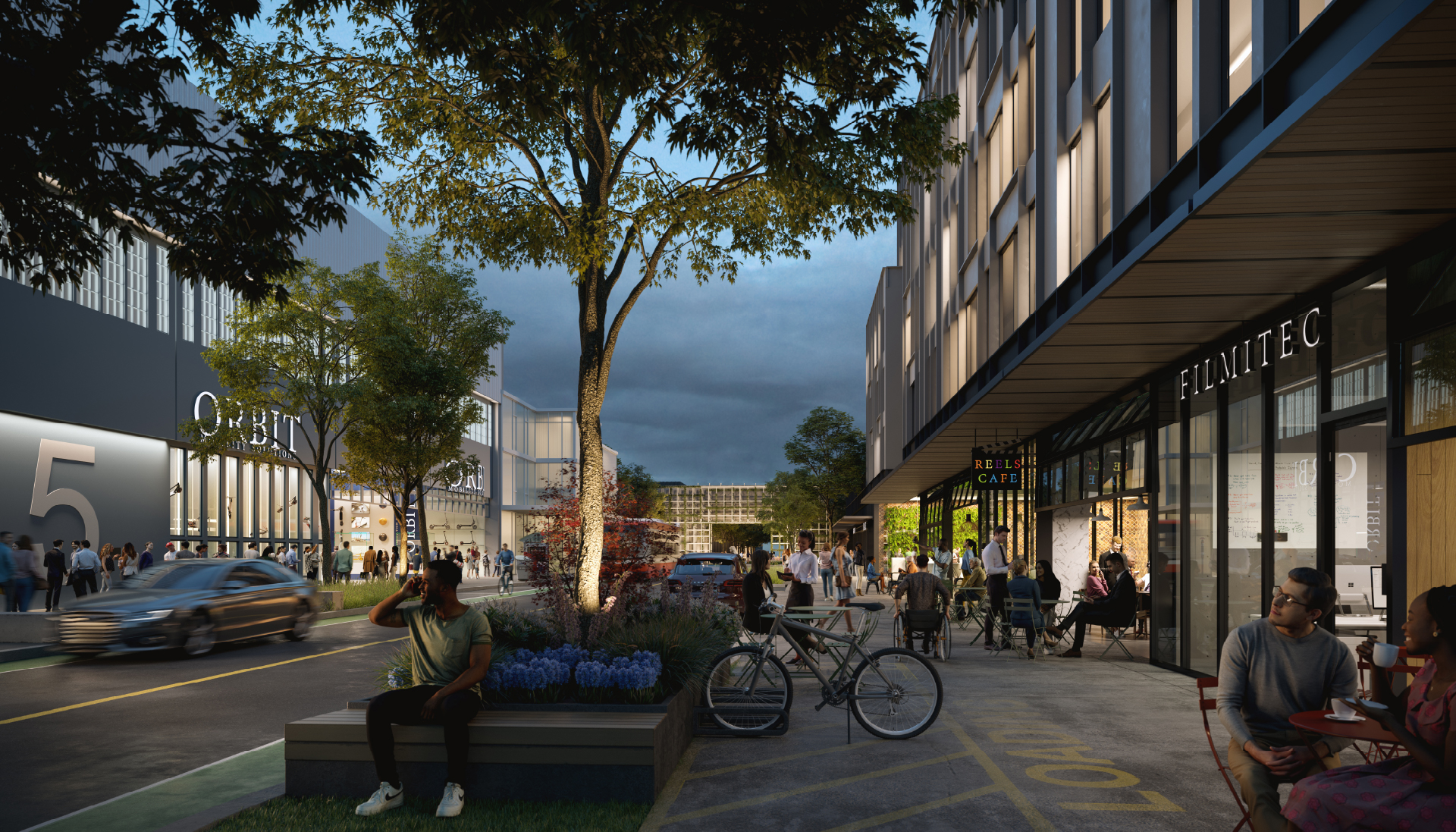
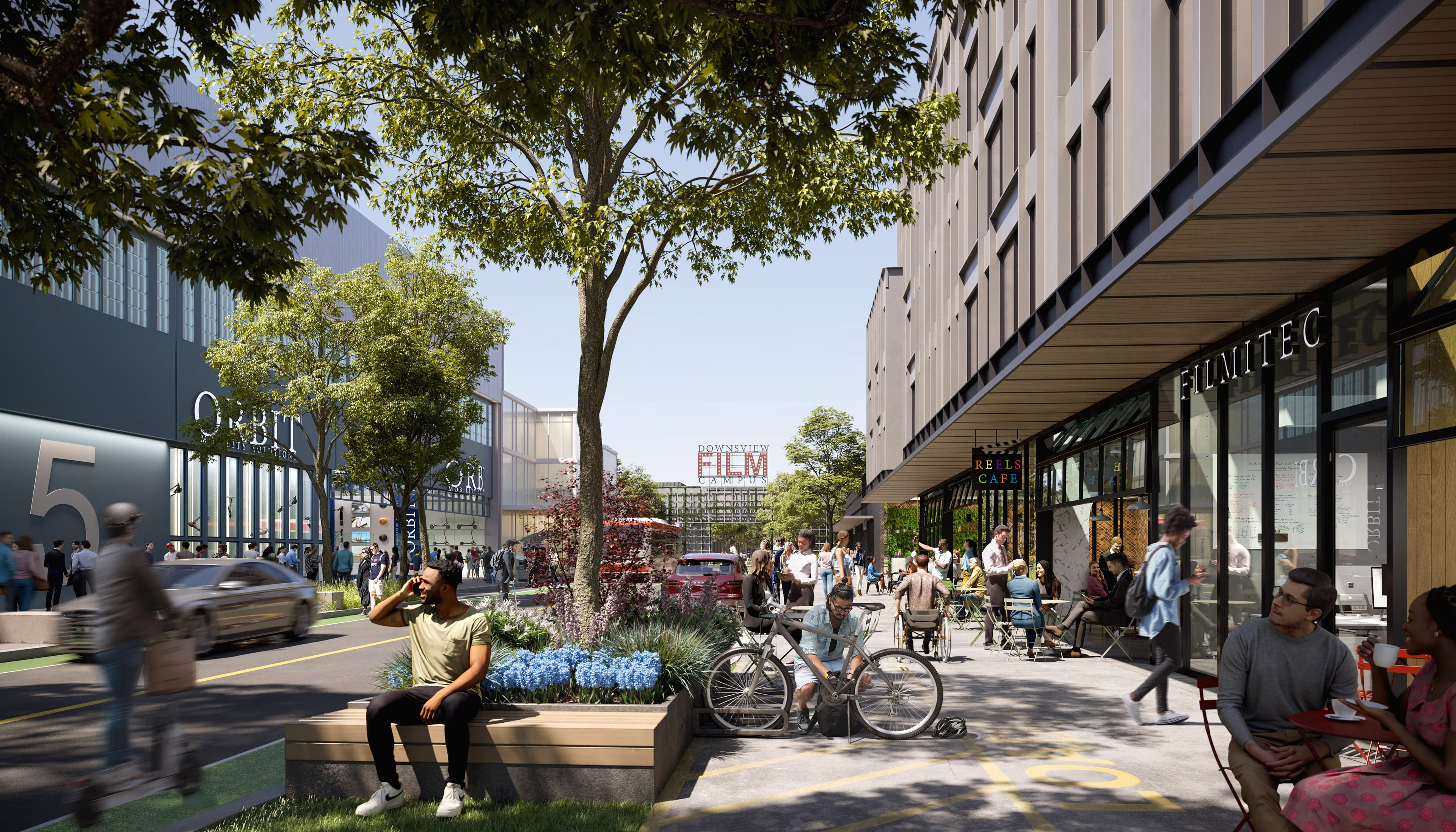
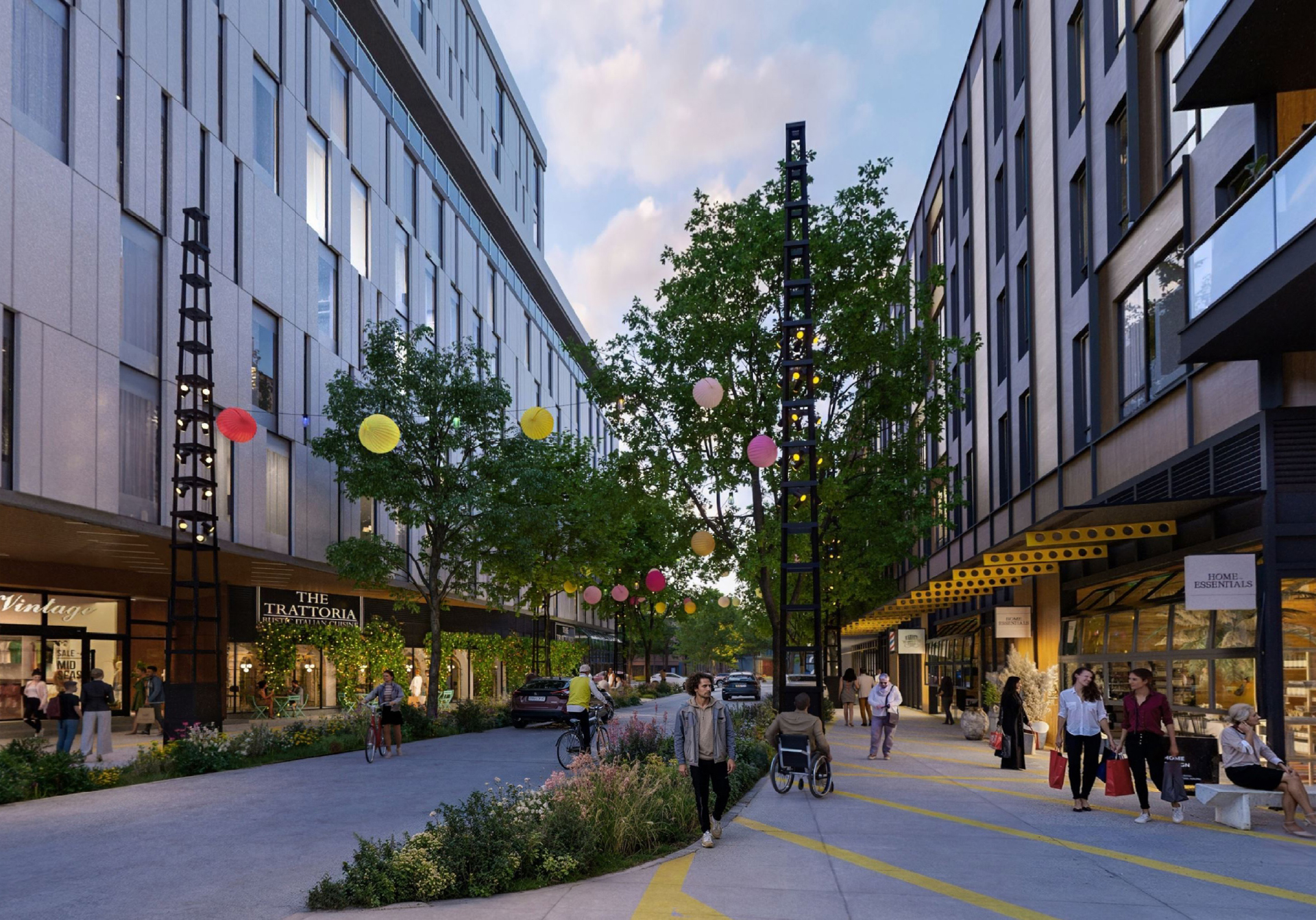
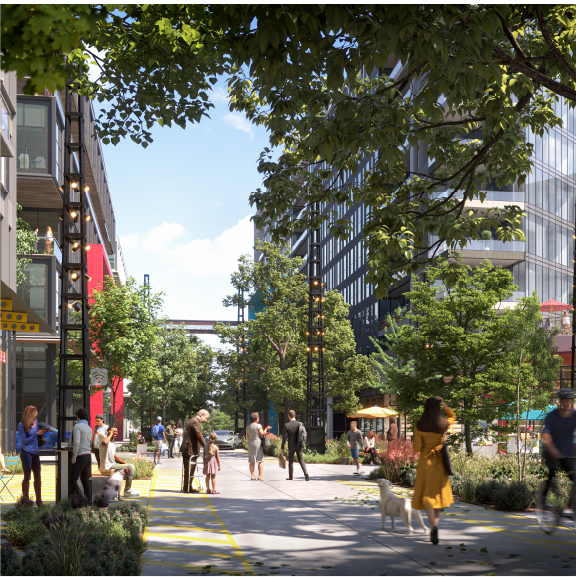
The Taxiway Street represents the extension of a former runway into the District. It is designed to be a pedestrian-oriented street, framed on each side by shops and a vibrant pedestrian boulevard including lush landscaping. It may be closed to vehicular traffic from time to time to allow The Taxiway Street to become a focal point for celebrations.

Housing &
Amenities
Overview
The Hangar District features a wide range of housing options, retail, services, entertainment, community and cultural uses, and open spaces that will support the daily needs of residents, workers and visitors
Housing &
Amenities
Touch map to learn more about some
of the special places in this district
Housing
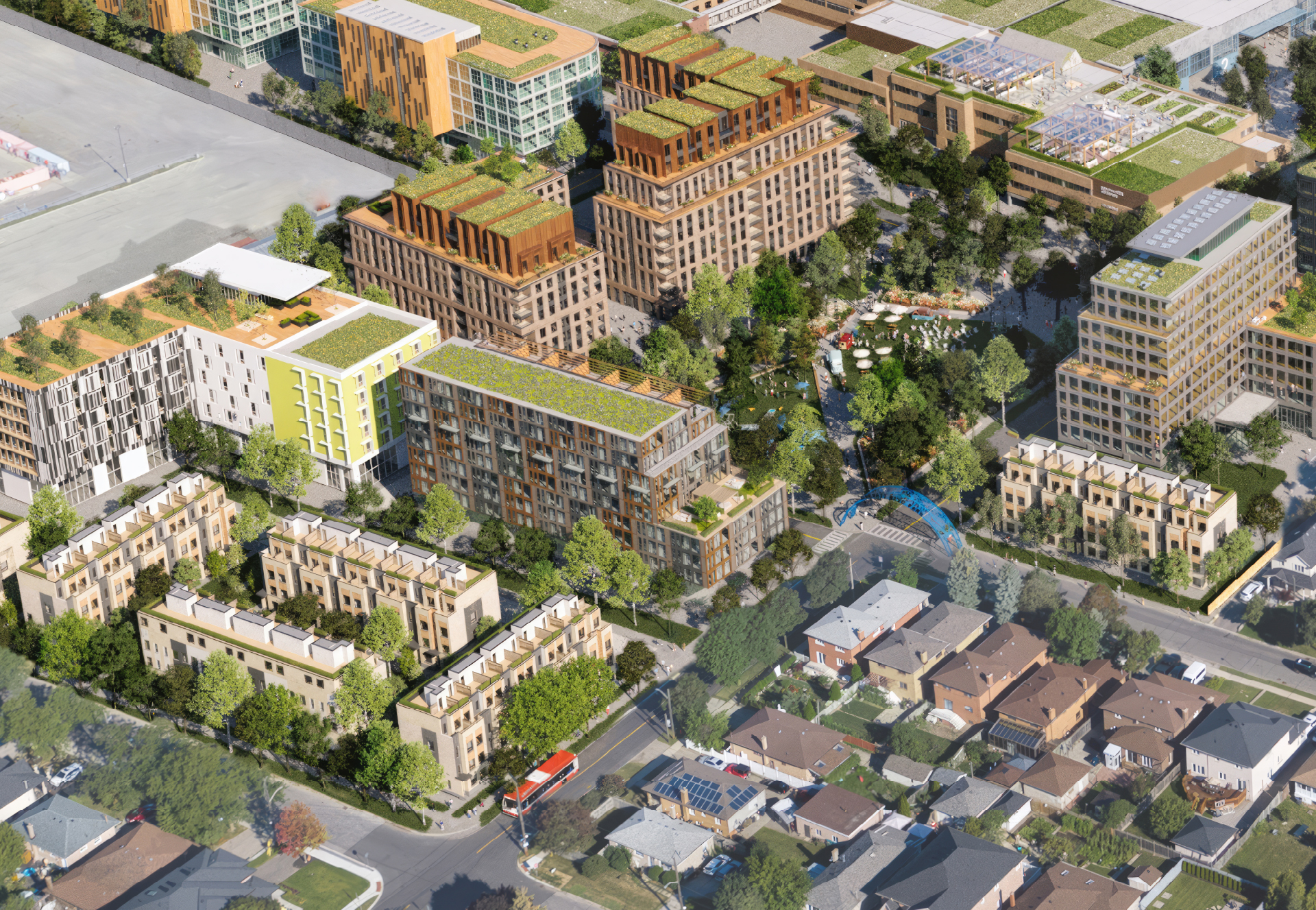
The first phase of The Hangar District will provide 2,850 new homes, with over 40% having at least two bedrooms, to meet the need of living close to places of work, learning and play. Moreover, a portion of the residential units will be provided as affordable / attainable units at below-market prices.
A Mid-Scaled District
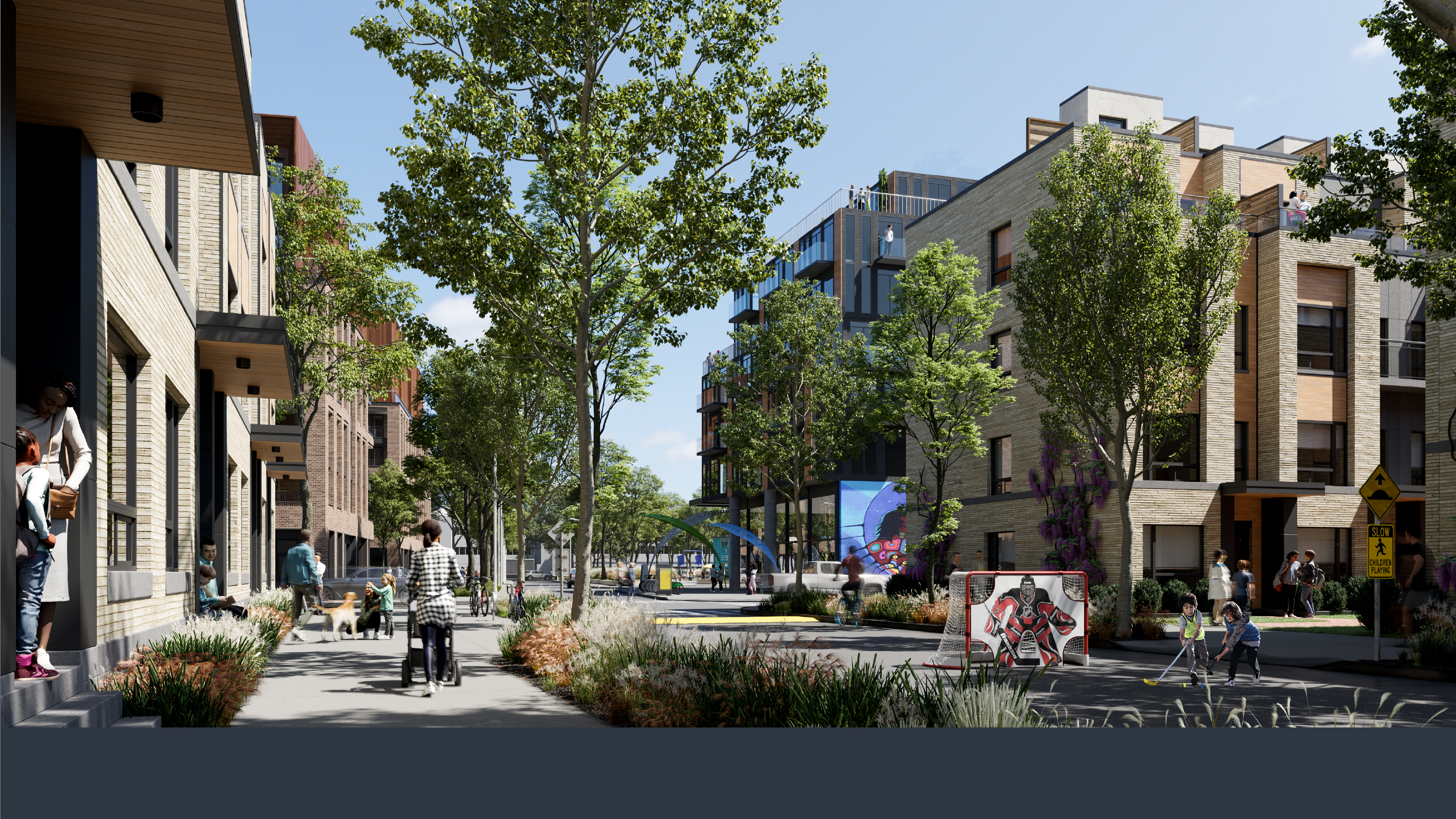
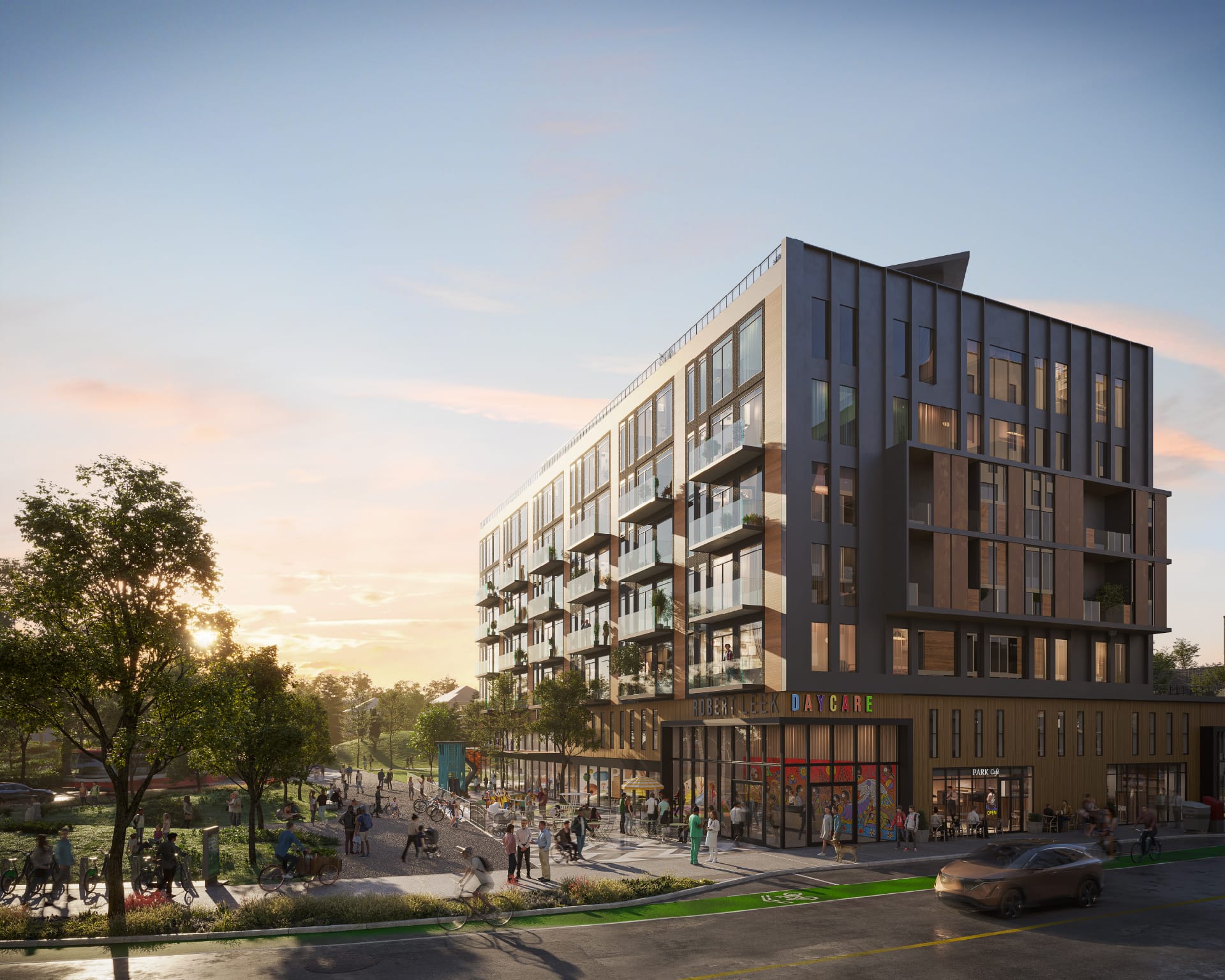
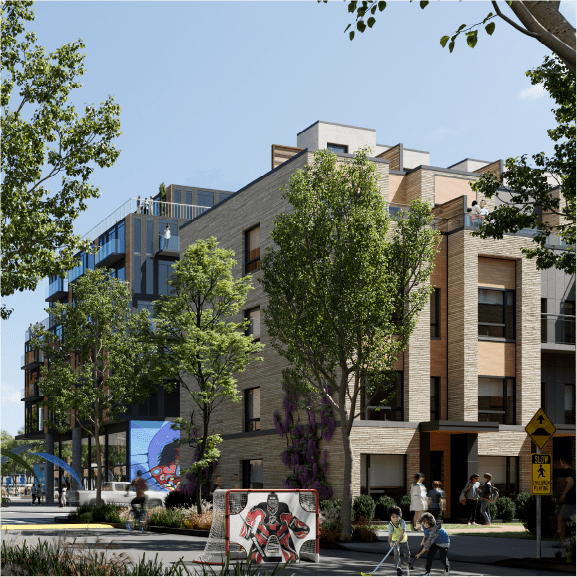
Designing a mid-scaled district (up to 14 storeys) with townhomes (up to 4 storeys) near existing residential neighbourhoods
New Retail & Amenities
Approximately 300,000 square feet of new retail shops, services, and community amenities will cater to the everyday needs of local residents and workers alike including access to food, daycares, restaurants, professional services and more.
Curated entertainment hubs, cultural programming, and public art will position the District as a key destination for art and culture in the City
Walkable &
Connected
Overview
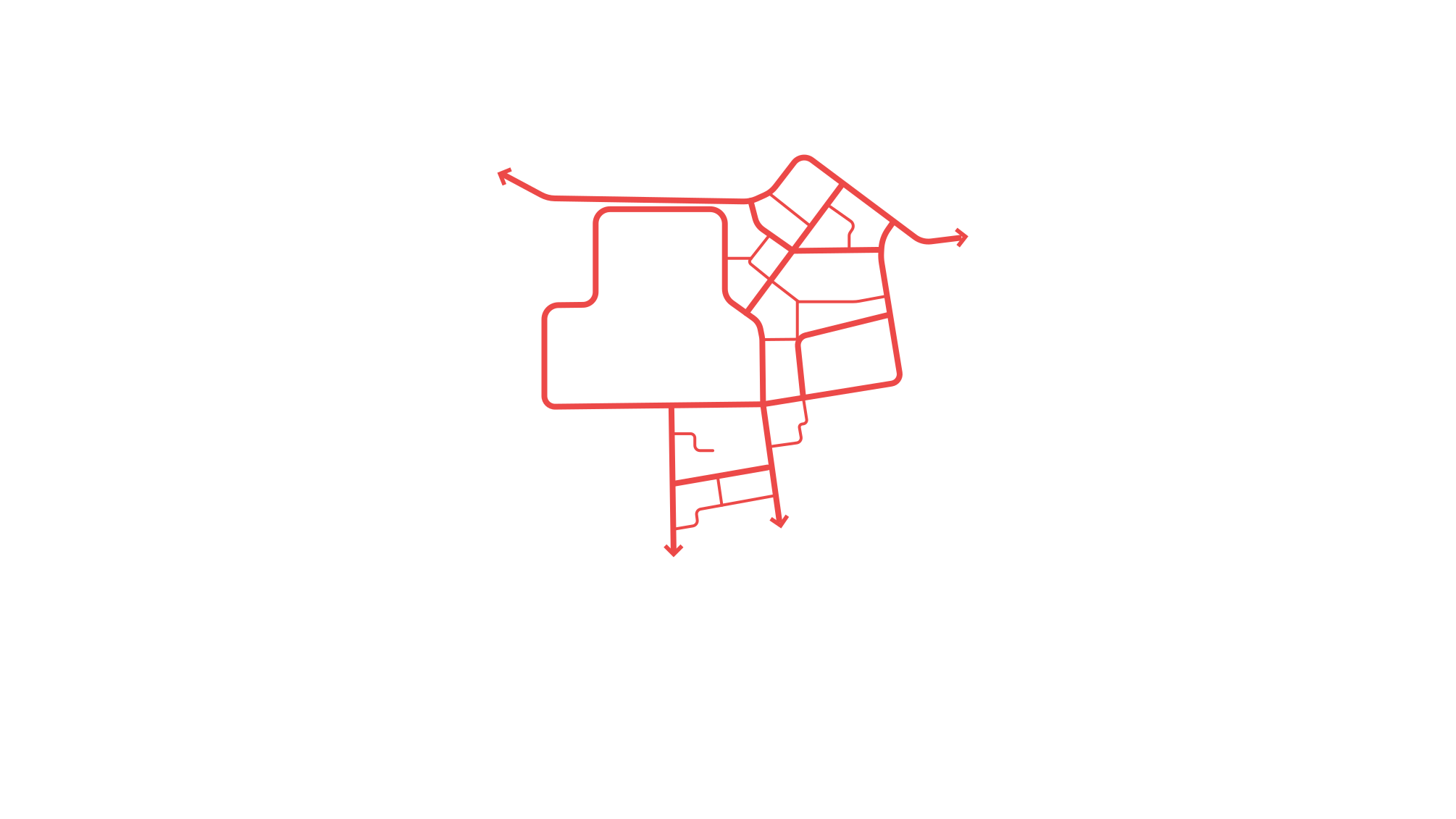
The Hangar District features a well-connected, fine-grained street network that prioritizes walking, cycling, and transit, while actively supporting a shift away from private vehicle use.
Walkable &
Connected
Touch map to learn more about some
of the special places in this district
Transit Loop &
Interim Shuttle
New Connection
to Downsview Park
New and Well-Connected
Cycling Routes and Amenities
Walkable
Street Network
Transit Loop &
Interim Shuttle
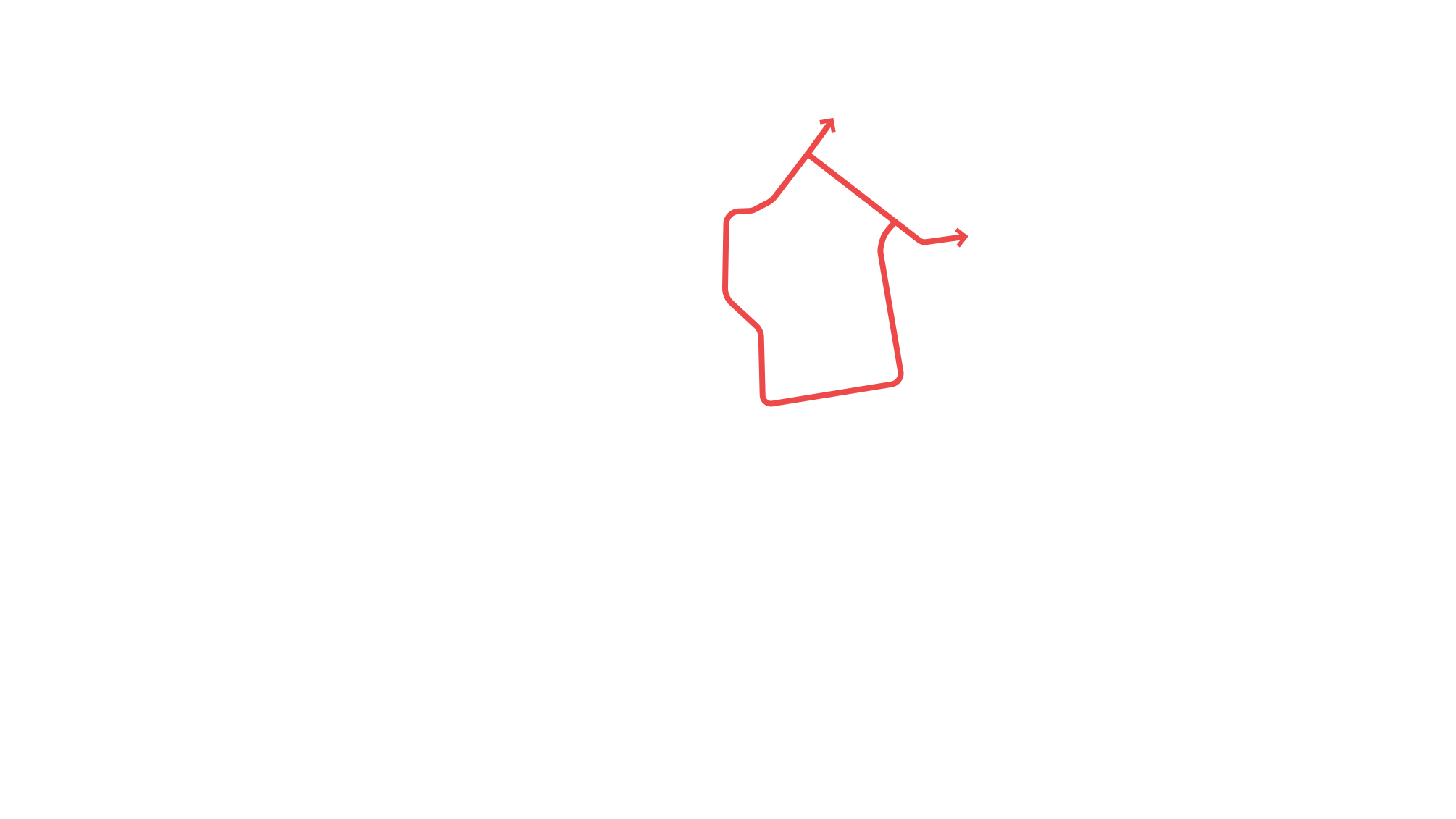
An expanded transit route will offer frequent stops for quick, convenient access from anywhere in the District. In order to provide convenient transit connections from day 1, an interim shuttle service will be provided in the near term to connect residents and workers to Downsview Park Station and Wilson Station.
New Connection to Downsview Park
The Downsview Park Bridge, a new pedestrian and cycling bridge created over the rail corridor, will connect directly into Downsview Park.

New and Well-Connected
Cycling Routes and Amenities
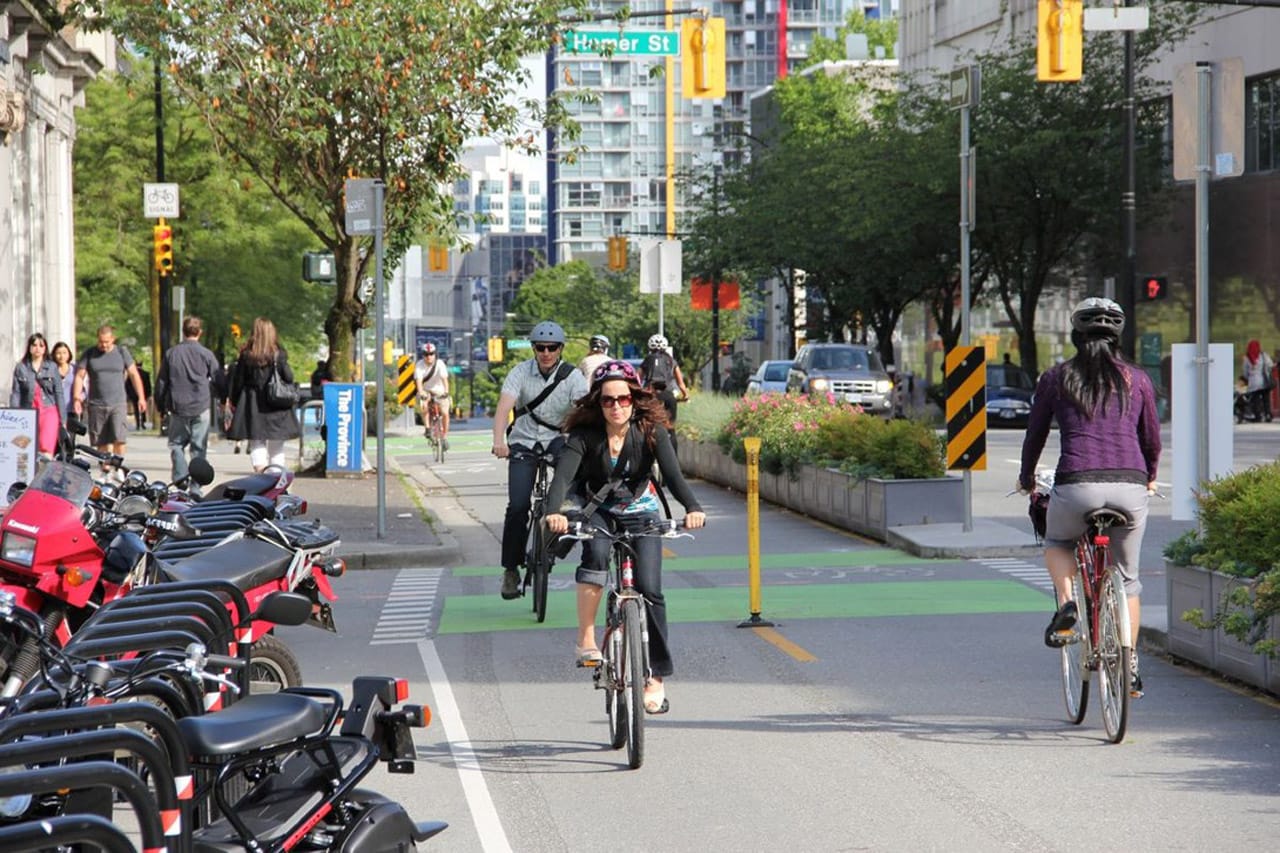
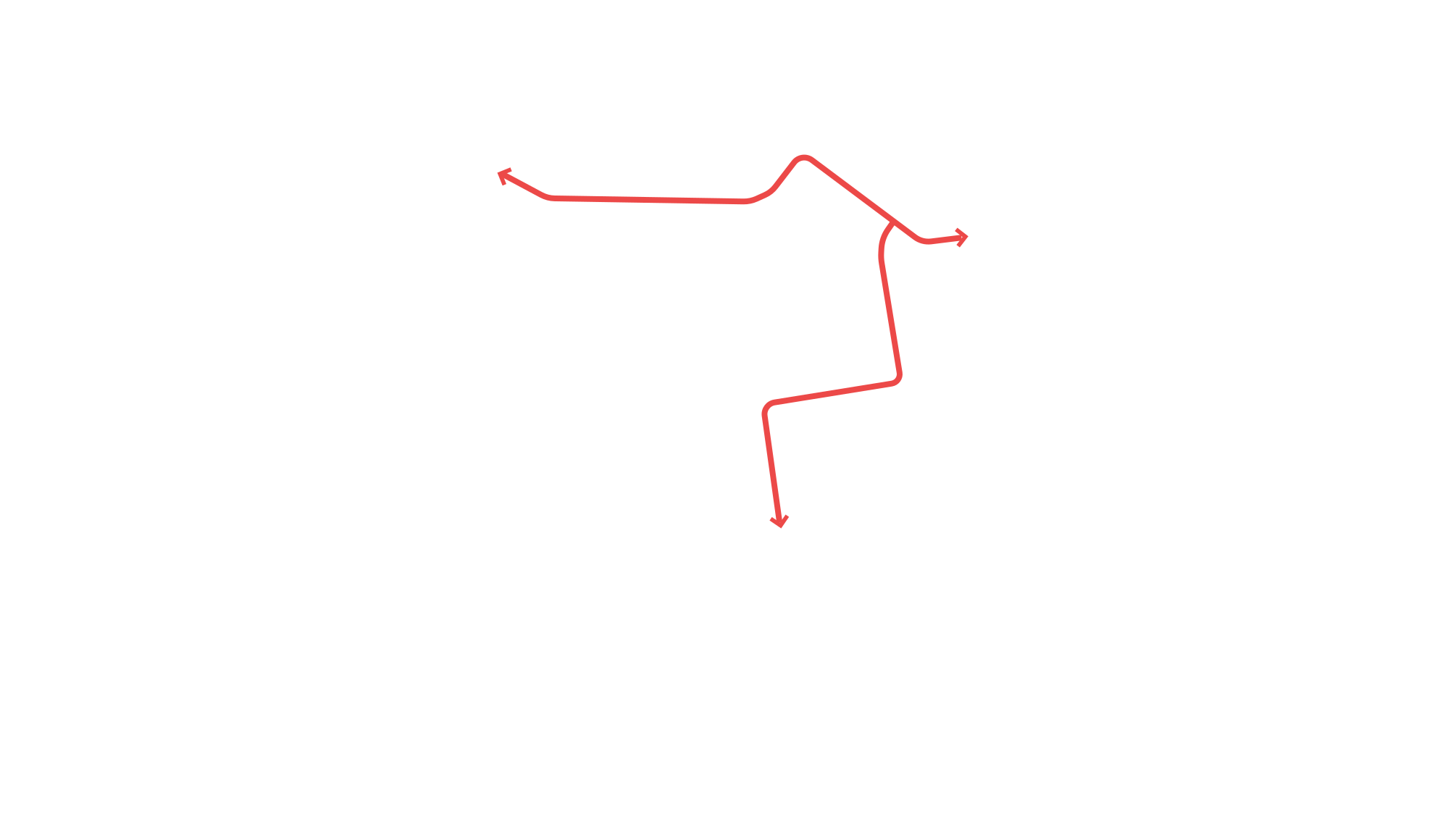
The proposed cycling network includes a series of new dedicated cycling routes and multi-use paths so that people can get to their final destinations more easily and safely.
Walkable
Street Network
The District is designed to make walking and getting around more convenient, pleasant and accessible including widened sidewalks, tree-lined streets, and multiple mid-block connections. Pedestrians are the priority which is why streets are designed to slow down traffic, while maximize microclimate comfort.
Sustainable
& Healthy
Overview
The Hangar District will pursue best practices in sustainable and healthy development including designing energy-efficient buildings, fostering biodiversity, promoting low-carbon transportation, building complete communities, and featuring innovative water, stormwater management and energy systems.
Sustainable
& Healthy
Touch map to learn more about some
of the special places in this district
City Nature
Building Design
Energy
Community, Equity
and Well-Being
Stormwater Management
& Green Infrastructure
City Nature
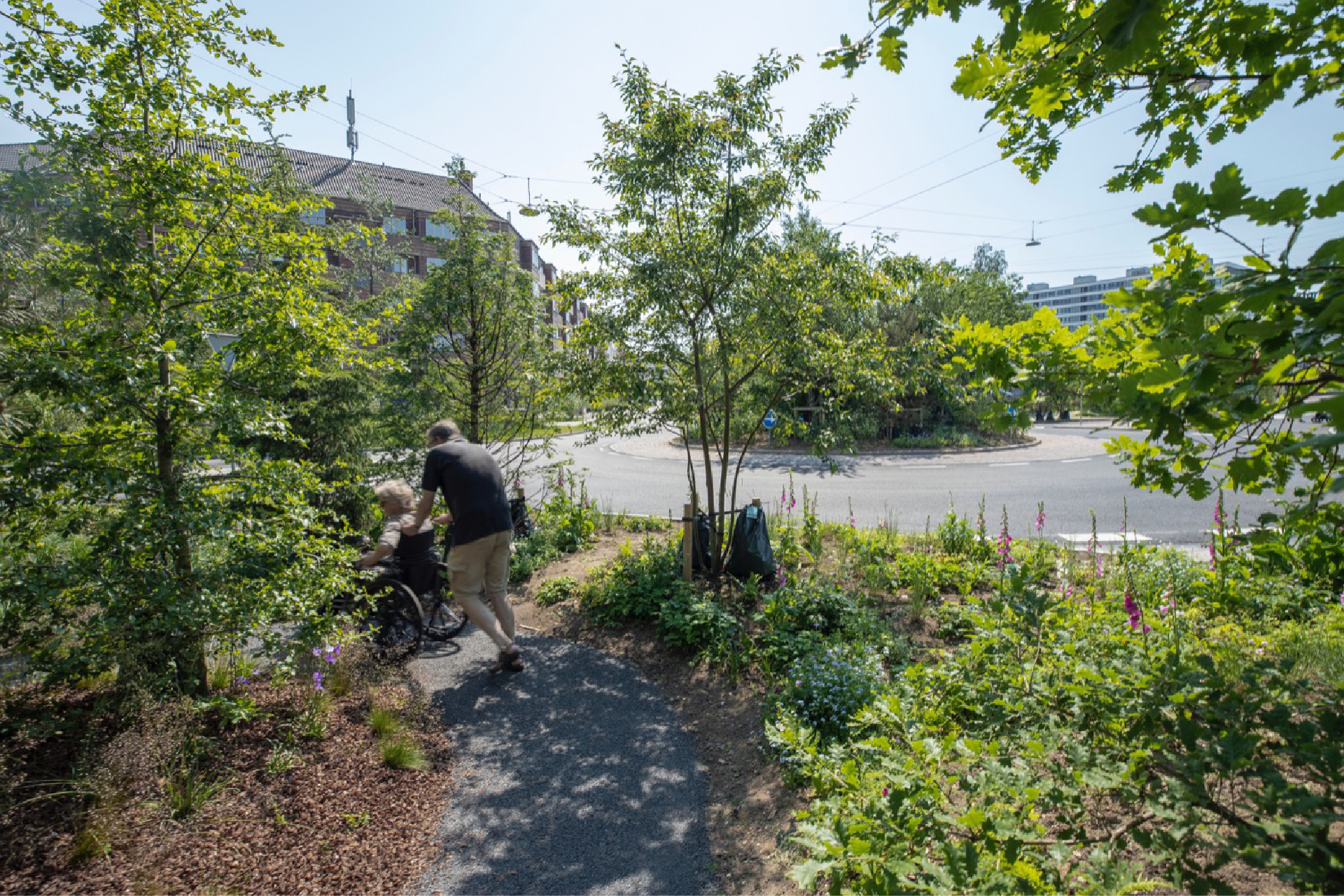
The Hangar District implements the Framework Plan’s vision to combine and integrate the natural and built environments. The public realm – made up of parks, open spaces and streets – will feature green infrastructure, support biodiversity, improve access to nature, and contribute to microclimate comfort.
Building Design
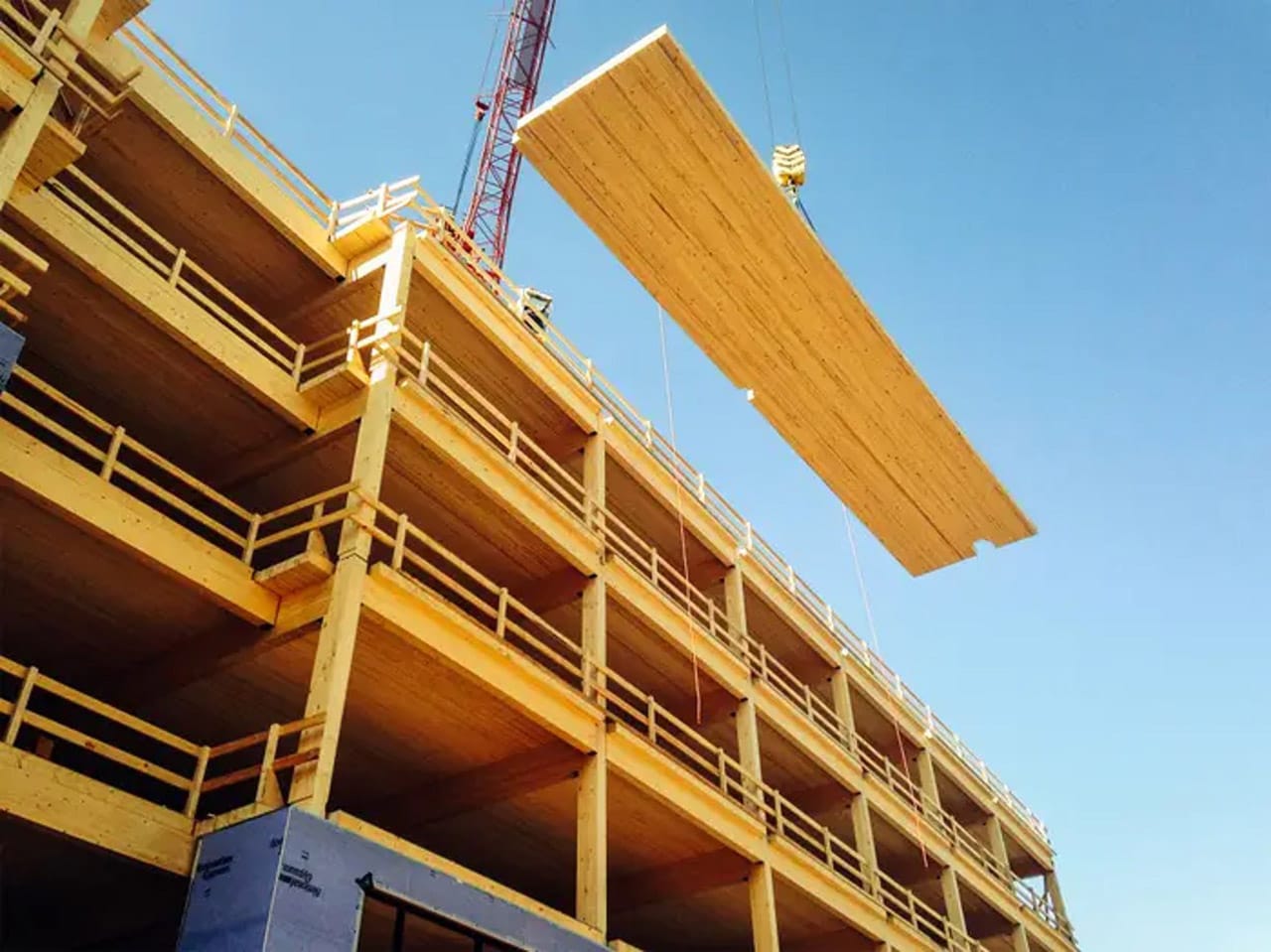
A commitment to sustainability will influence the building design, construction materials and techniques used, reducing embodied carbon reduction and improving energy efficiency. All new buildings will exceed the City of Toronto's Green Standards.
Energy
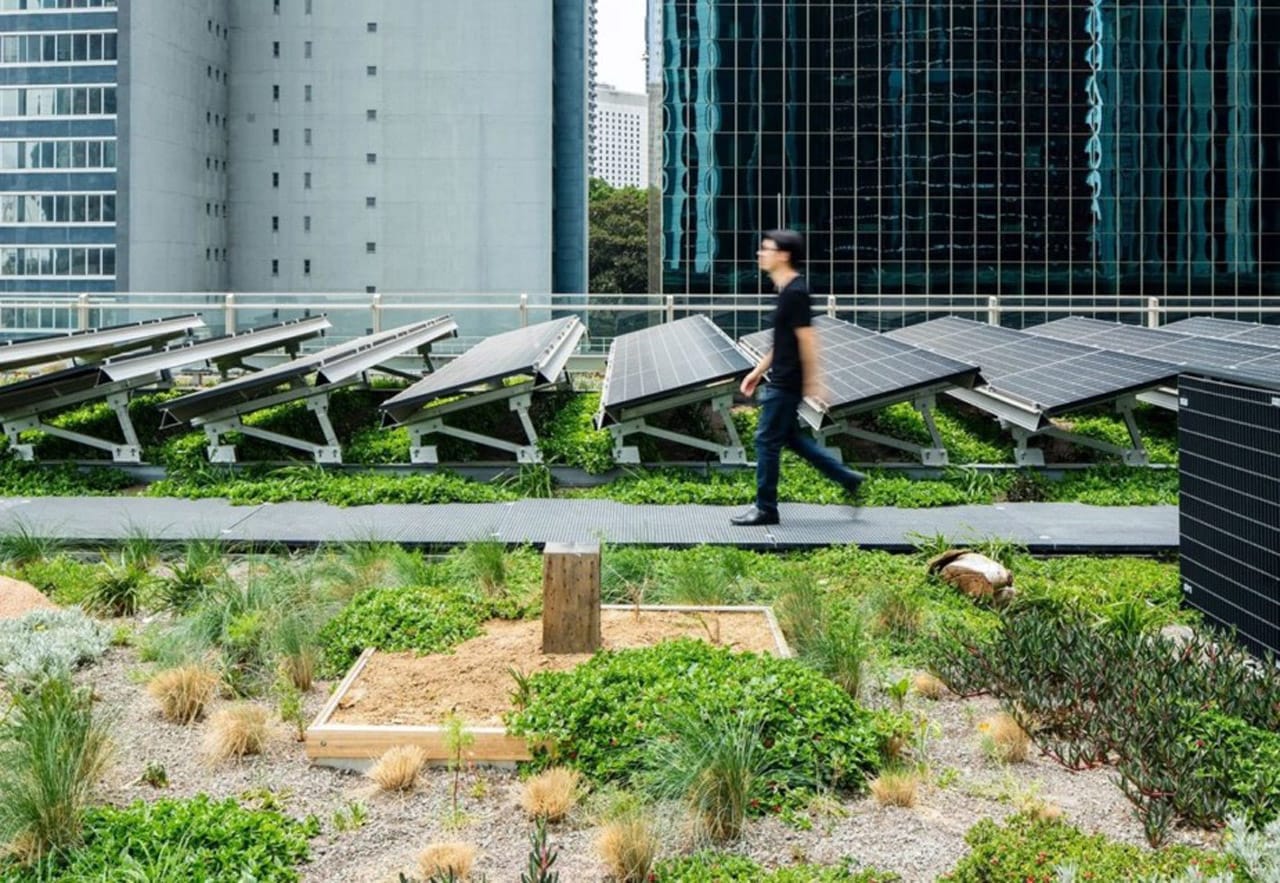
A range of sustainable and renewable energy systems are being pursued in the District including: District Energy, Solar PV, geothermal, and other innovative technologies to support a carbon free future.
Community, Equity
and Well-Being
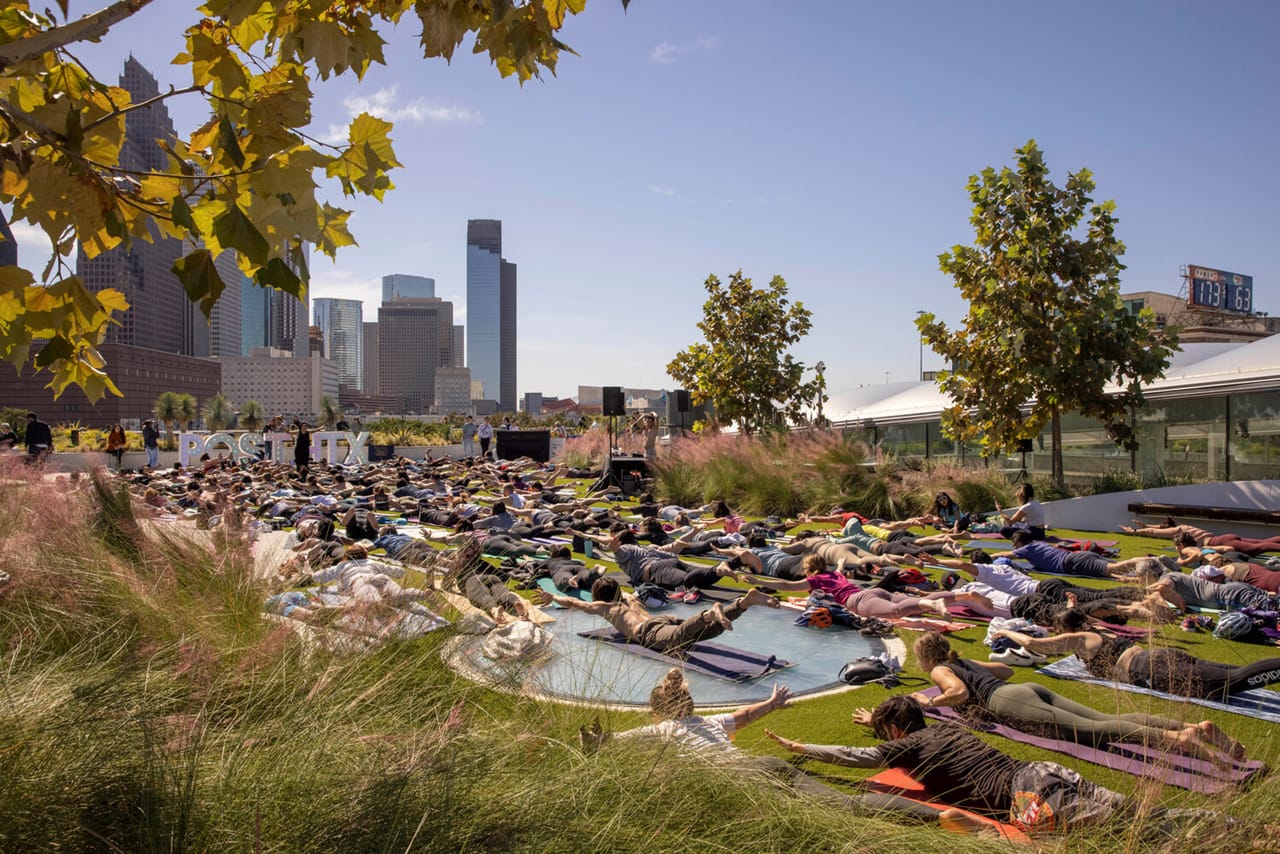
By curating a complete mix of uses that promote neighbourhood diversity, the District will encourage healthy lifestyles and be accessible and inclusive for people of all ages and abilities. This includes retail shops and amenities, diverse housing options, including affordable housing, inclusive and diverse cultural programming and public art, as well as critical social infrastructure such as daycare, community services and open spaces. To foster diversity and equity, workforce development and community benefits strategies are also being developed.
Stormwater Management
& Green Infrastructure
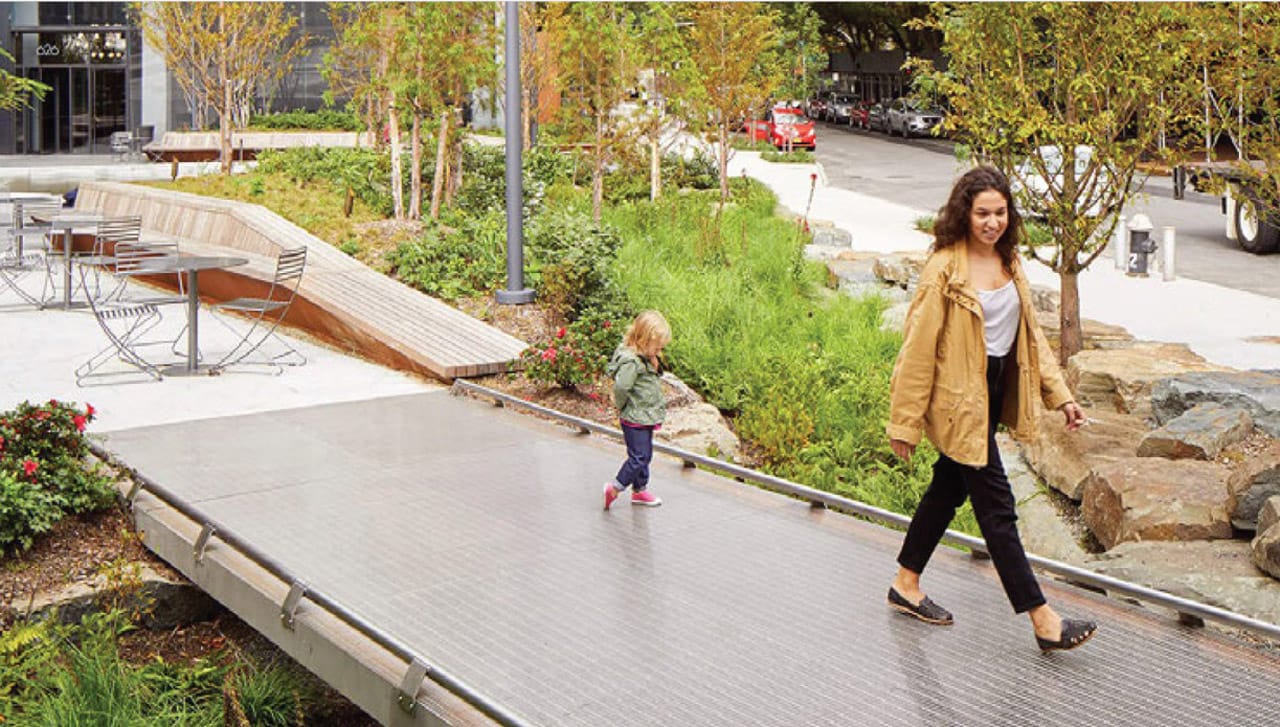
The Hangar District will feature an innovative decentralized approach to managing stormwater. This strategy involves using green infrastructure such as bioswales and soil cells within parks, open spaces and streets to retain stormwater onsite, mitigate or reduce future flooding risks, and enhance the public realm.
 Home
Home


